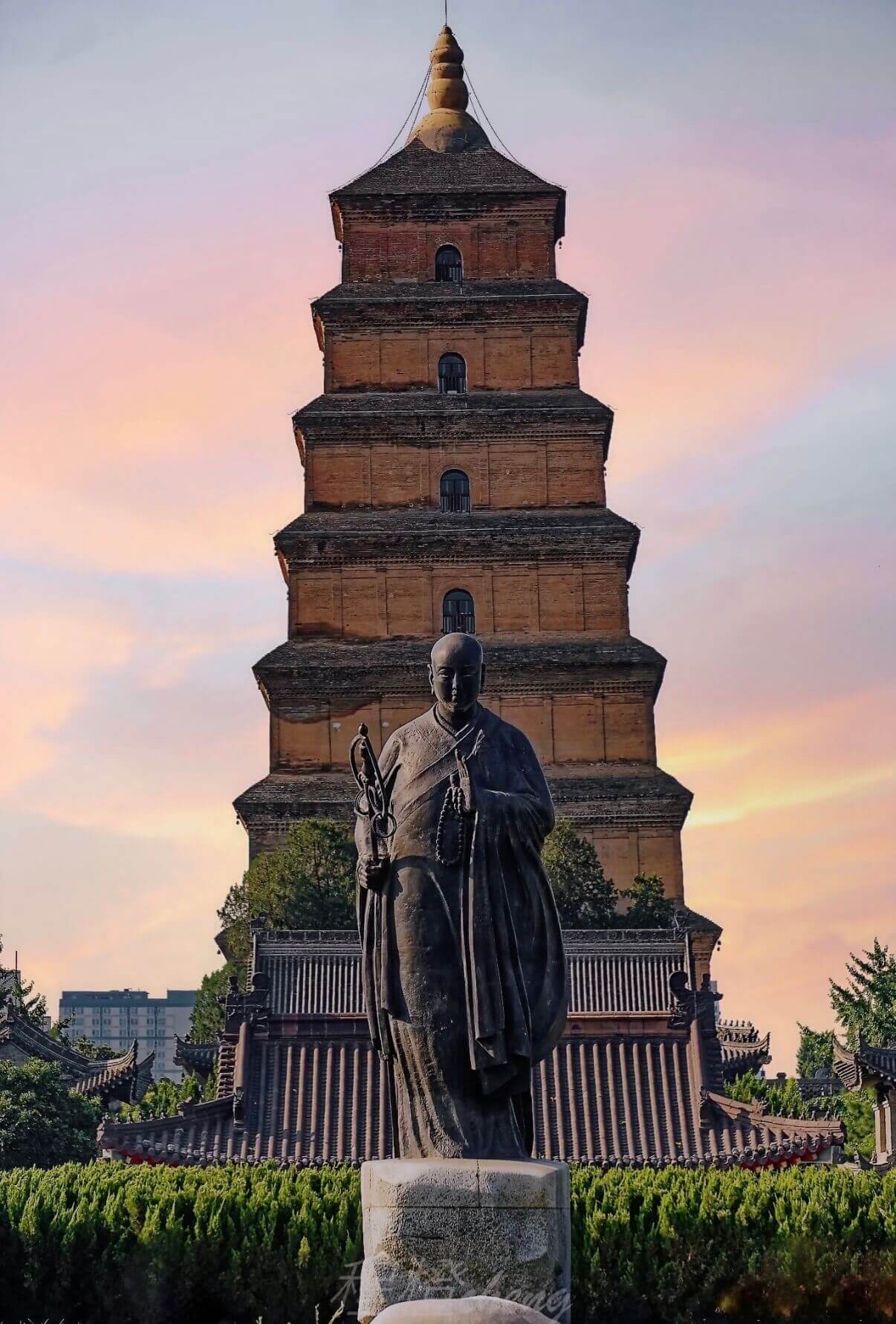
Daming Palace: Tang Imperial Ruins, Not Ming Dynasty
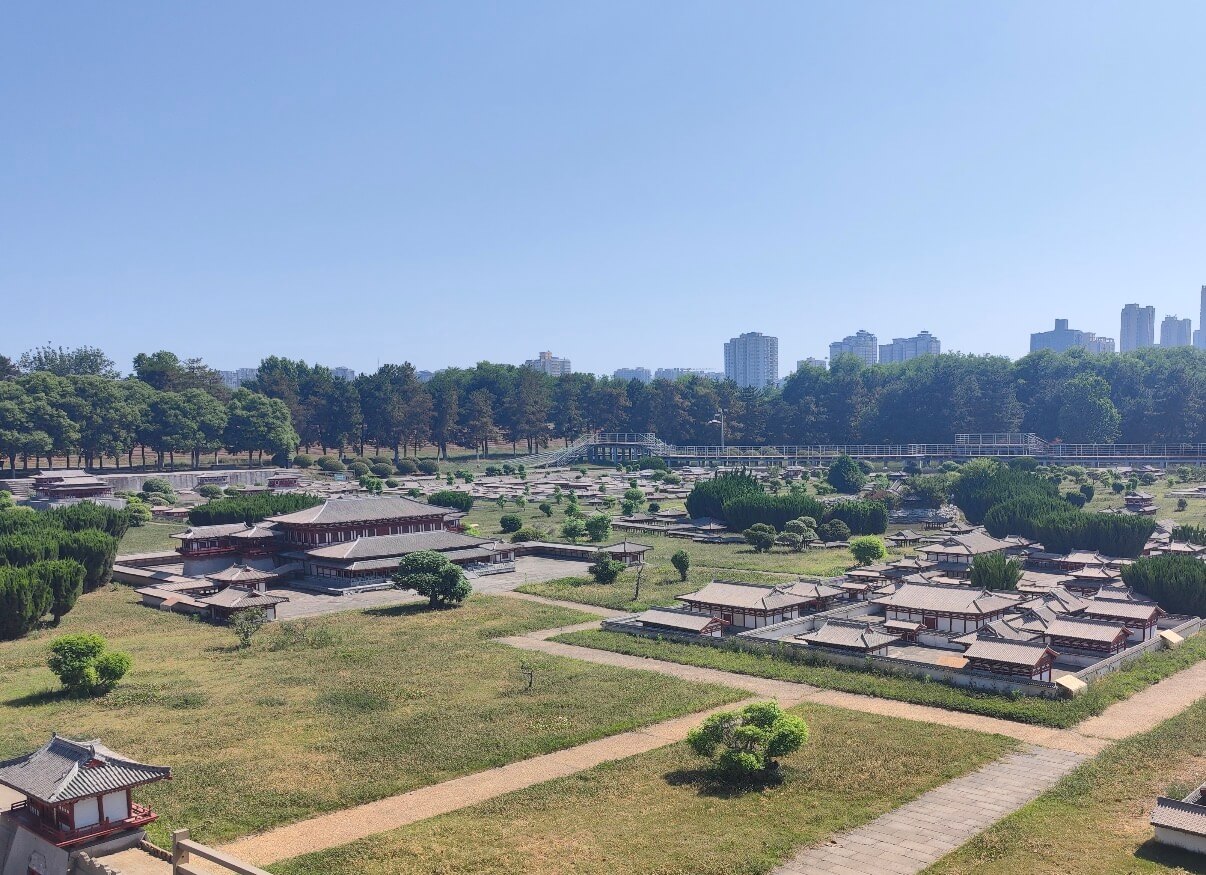
Explore the world's largest palace complex — 3.2 sq km of Tang Dynasty history, layout, and ruins far grander than the Forbidden City.
A charming pagoda famous for its miraculous self-healing after earthquakes
If you need car charter or ticket booking services, please click Booking Page
A comprehensive guide to the Small Wild Goose Pagoda, a peaceful historic site in Xi'an.
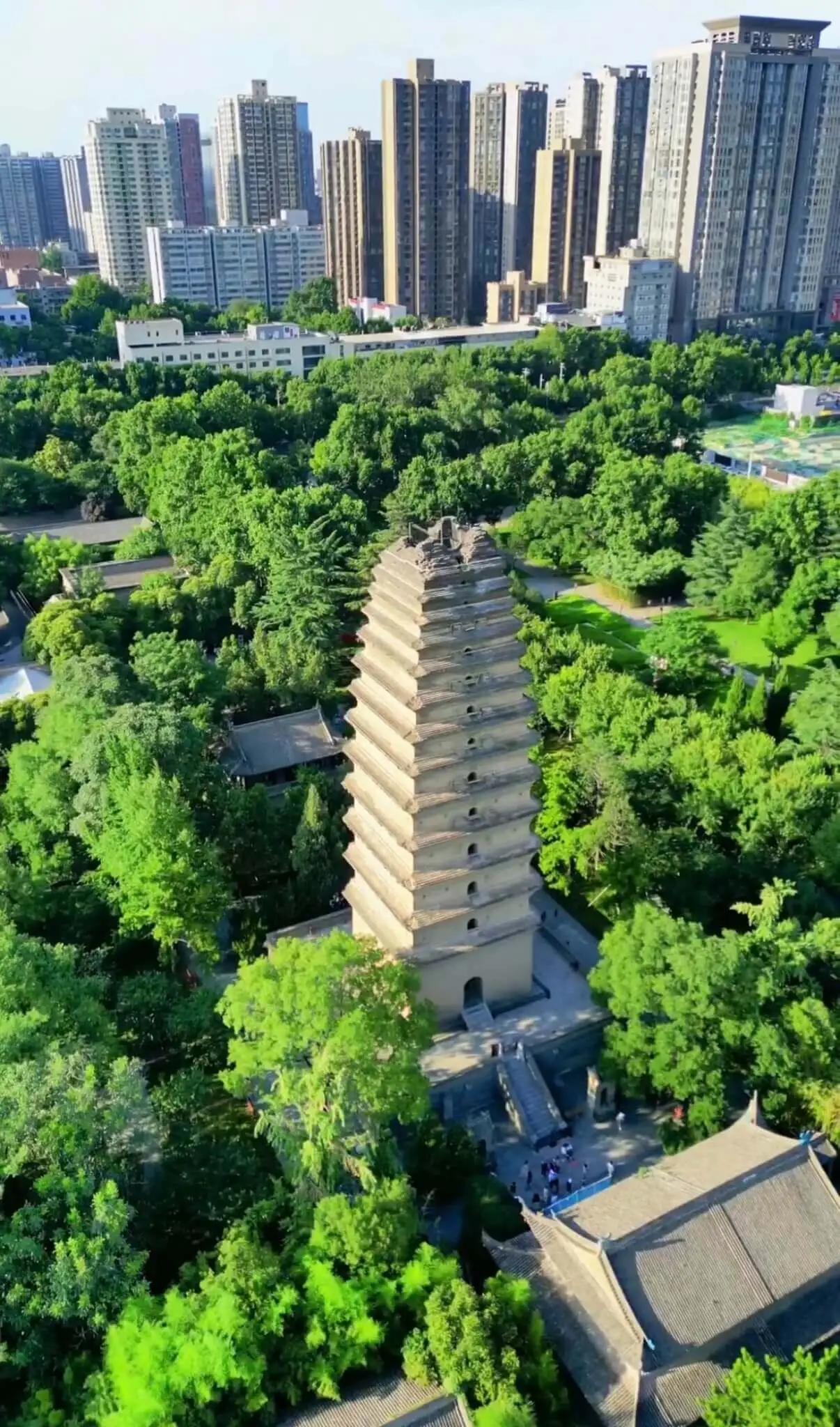
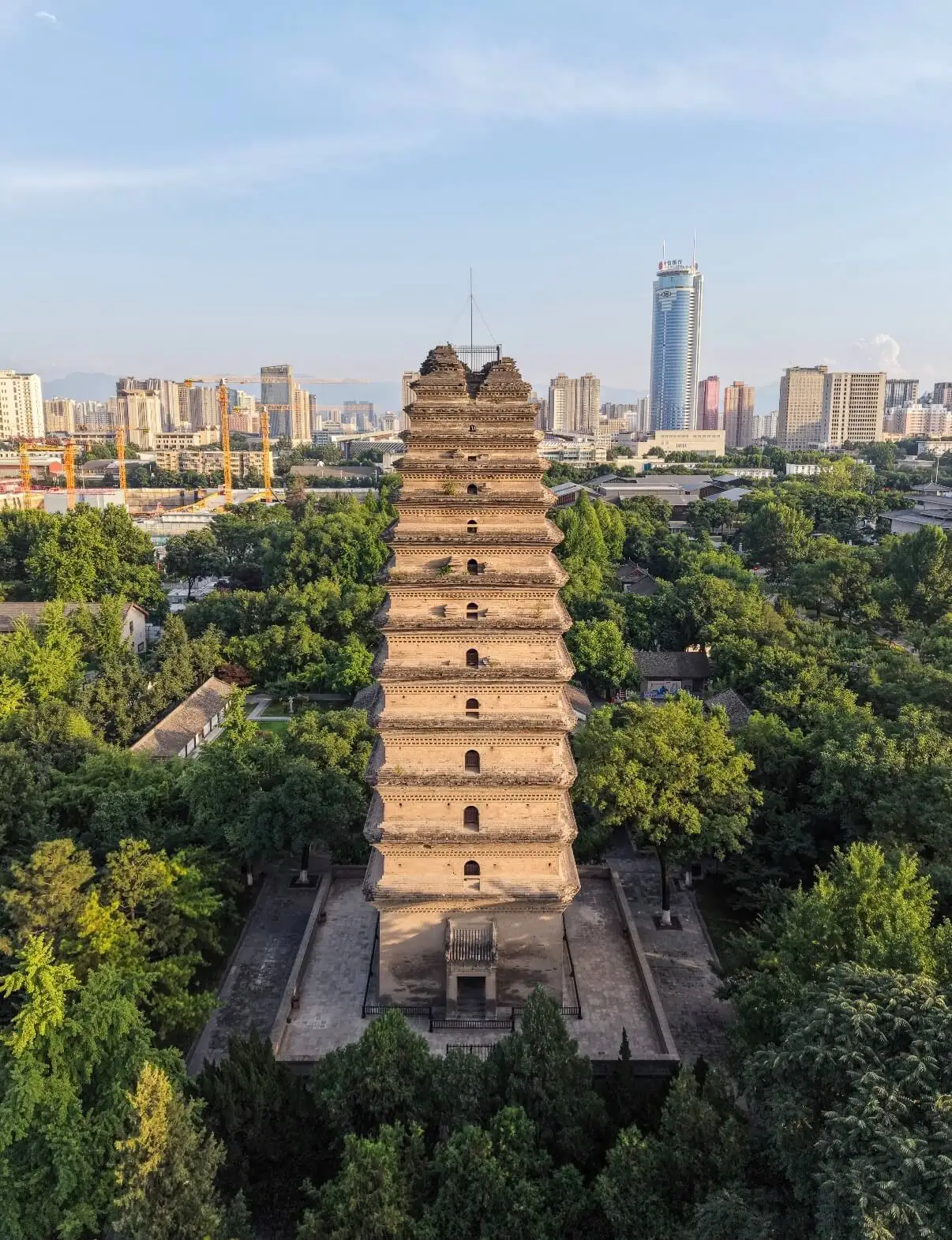
The Small Wild Goose Pagoda (小雁塔) is a lesser-known but equally charming pagoda built in 709 AD during the Tang Dynasty. Located in the Jianfu Temple complex, it is famous for its miraculous ability to self-heal after earthquakes. The most notable earthquake in 1487 cracked the pagoda in half, but a later earthquake reportedly rejoined the crack, leaving only a visible seam.
Standing 43.4 meters tall with 13 stories (originally 15), the pagoda is smaller and more delicate than its larger counterpart. The surrounding Jianfu Temple offers a peaceful atmosphere away from the crowds, with beautiful gardens, ancient bells, and the Xi'an Museum located on the same grounds. The temple's morning bell ringing is one of the 'Eight Scenic Spots of Guanzhong.'
The scenic area is composed of "One Pagoda, One Temple, One Museum". Enter through the Jianfu Temple gate and stroll through peaceful gardens far quieter than Da Ci'en Temple.
The Small Wild Goose Pagoda (小雁塔), built in 707 AD to house Buddhist scriptures brought back from India by the monk Yijing, is a 43-meter multi-eave brick pagoda — originally 15 stories, now 13 after earthquake damage. For cultural preservation, visitors can no longer climb the pagoda, but its ancient, weathered silhouette is deeply moving from below.
The pagoda's most legendary tale is the "Three Splits and Three Merges" (三裂三合) — across four centuries, three major earthquakes cracked the pagoda open, and three subsequent tremors mysteriously sealed the cracks shut. The most devastating was the 1556 Hua County earthquake (deadliest in world history, claiming 830,000 lives), which split the tower in two — yet seven years later, another quake closed the fissure without a trace. Over 1,300 years, the pagoda has survived 70+ earthquakes without ever collapsing. Ancient people called it "divine merger" (神合); a folk proverb spread: "In turmoil the crack opens; in peace the crack closes."
Modern engineers attribute the miracle to the Tang craftsmen's genius design: a hollow tubular brick structure and a hemispherical rammed-earth foundation that acts like a tumbler base.
Don't miss the ancient bell tower — the "Wild Goose Pagoda Morning Bell" (雁塔晨钟) is one of the 'Eight Scenic Spots of Guanzhong'; visitors can ring the bell for good fortune.
End your visit at the Xi'an Museum (Click here for more) on the same grounds, featuring jade carvings, Buddhist art, and calligraphy — admission is free.
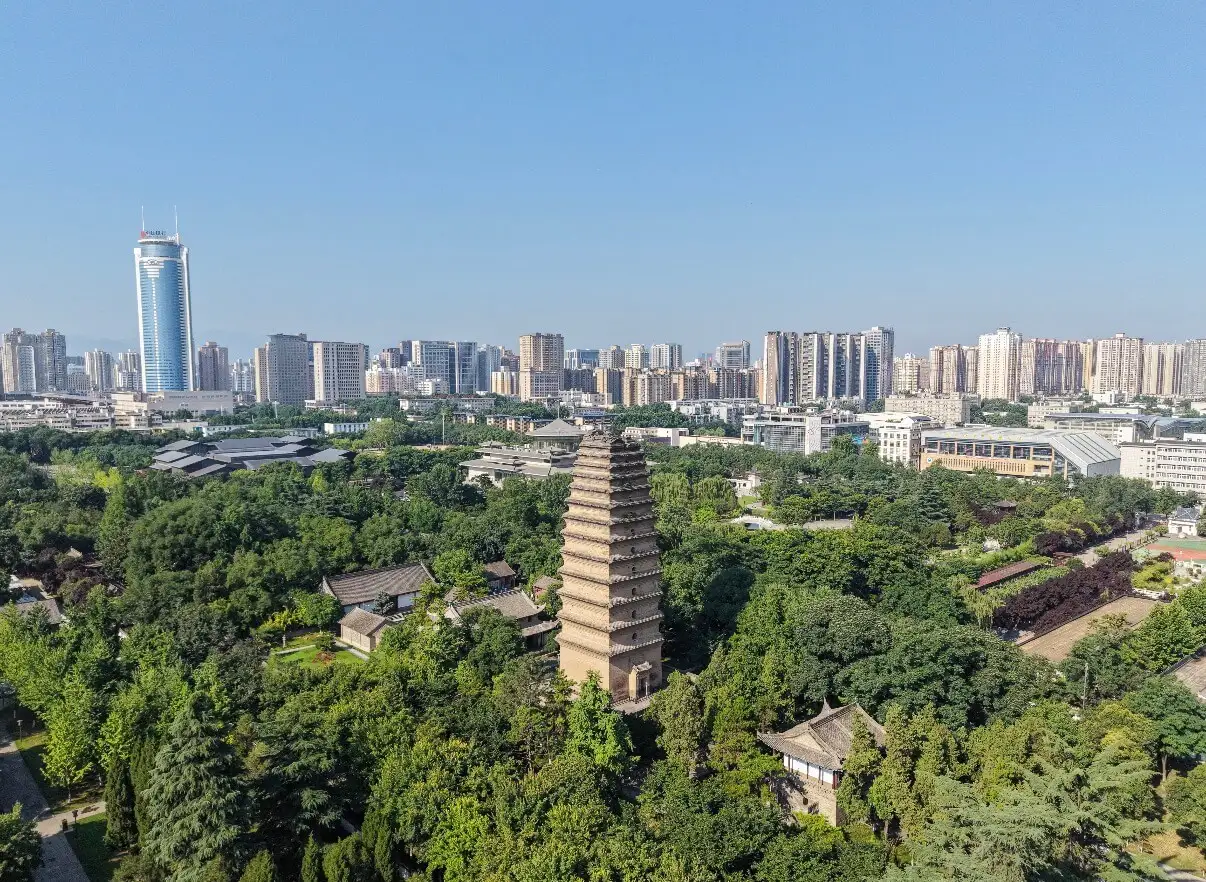
Pagoda Exterior
Xi'an Museum, No.72 Youyi West Road, Beilin District, Xi'an, Shaanxi Province
Spring and Autumn
Peaceful atmosphere year-round
Free
Discover our comprehensive travel guides for Xi'an
Explore the world's largest palace complex — 3.2 sq km of Tang Dynasty history, layout, and ruins far grander than the Forbidden City.
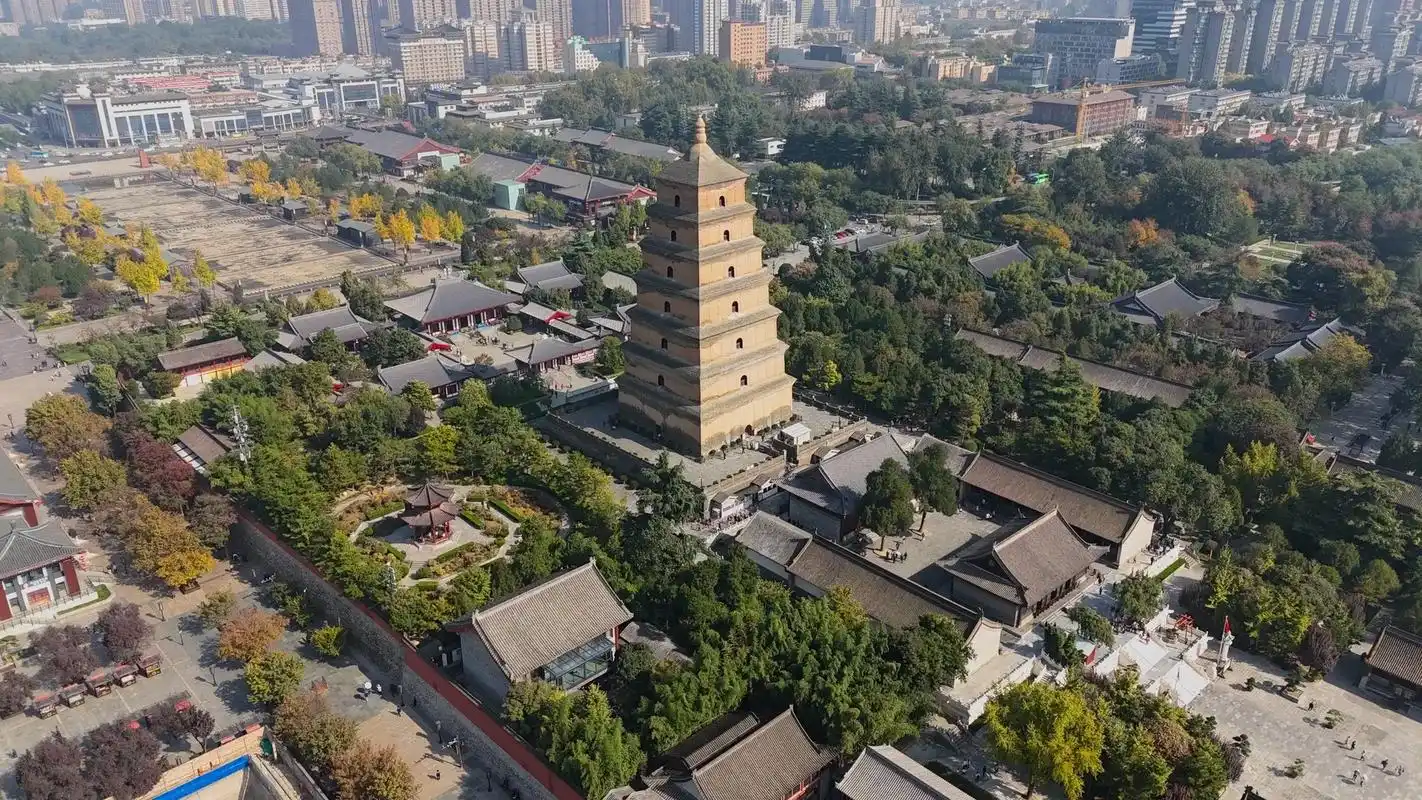
Discover the real differences — architecture, history, and Silk Road connections of monks Xuanzang and Yijing.
From Warring States origins to modern photoshoots — discover the unique charm of Xi'an's signature hanfu style.
Share your Small Wild Goose Pagoda experience with others.
Loading posts...
No community posts yet.