
June 4, 2026
|
Wander Any Place
China Travel Payment Apps in 2026
Complete guide to Alipay, WeChat Pay, and other payment methods for foreign travelers visiting China.

A guide to navigating China's extensive transportation network
China boasts one of the most extensive and modern transportation networks in the world, making it relatively easy for travelers to navigate the country. Whether you're traveling between major cities or within urban areas, there are several convenient options available.
| Transportation | Type/Ticketing Method | Description | Notes |
|---|---|---|---|
| High-Speed Rail | 12306 (Online) | Official train ticketing system in China, available both as a website (12306.cn)and a mobile app(12306 App). | 1. Tickets can be purchased online or offline up to 15 days in advance (including day of travel). For example, if you plan to travel on May 15th, you can start buying tickets from May 1st. 2. For detailed information on using 12306 App please refer to our Railway 12306 Guide.
Need assistance with ticket booking? Click here for professional booking services |
| Offline Purchase | Tickets can be purchased at ticket counters or self-service machines at train stations. | ||
| Charter Services | Charter Teams/Platforms | This is currently most convenient way for foreign travelers. Many teams specialize in serving foreign customers, and drivers usually speak English or Mandarin. You can search for "car service" on Xiaohongshu (Little Red Book) or WeChat to find official accounts of many teams. |
Need charter services?
Please click here for booking inquiries |
| Through Travel Agencies | If you already have a domestic travel agency arranging your trip, you can ask them to help book charter services. They often have long-term cooperative teams and can get package services. | ||
| Subway Systems | Public Transport | Extensive, modern subway networks in major Chinese cities, with clean stations and trains. Most systems have English signage and announcements. | Fastest way to travel during rush hour. For short distances in non-rush hours, shared bikes are also a good option. |
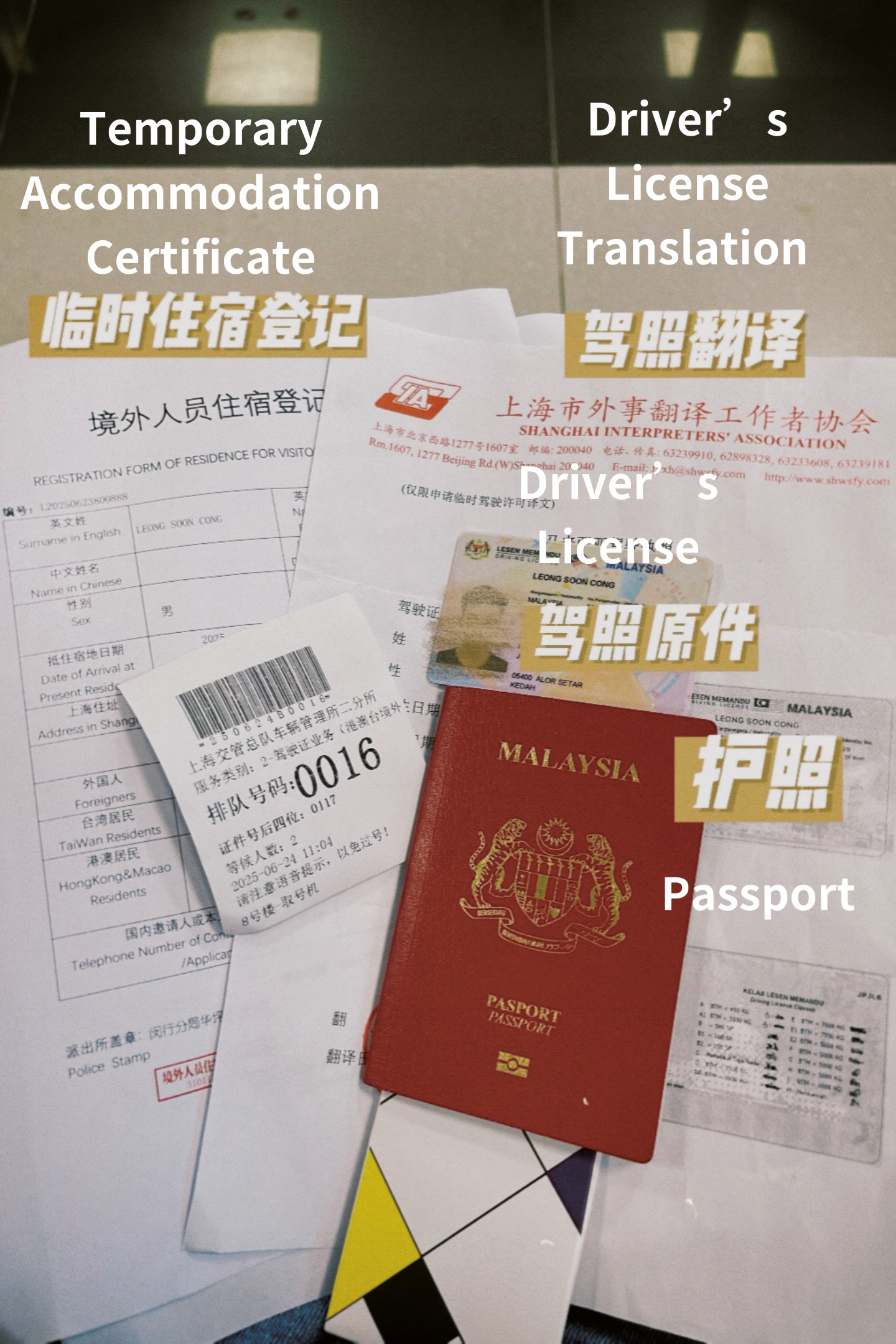
| Car Rental | Self-Drive | Both international and local car rental companies operate throughout China, offering a variety of vehicles to suit different needs. Foreigners need to obtain a Temporary Driving Permit to legally drive in China. For detailed information, please refer to the "Car Rental" tab. |
Need assistance with Temporary Driving Permit?
Please click here |
| Taxi Services | Traditional Taxis | Widely available in all cities, can be flagged down on the street or found at taxi stands, have metered fares. | 1. Traditional taxis are rarely used by both locals and tourists now. 2. Language barriers may exist with drivers. 3. For detailed information on using DiDi, please refer to our DiDi Guide. |
| Ride-hailing Apps (Didi) | Didi Chuxing is the most popular ride-hailing app in China, offering convenient and affordable transportation services. | ||
| Shared Bikes | Mobile App/WeChat mini-program/AliPay | Widely available in most Chinese cities, shared bikes offer a convenient way to travel short distances. Users can unlock bikes using mobile apps and pay for usage by the minute or hour. | 1. Requires a local mobile number and payment method If you require a Chinese phone number. Click here for instructions on how to obtain one. |
Car rental services in China provide travelers with the freedom to explore at their own pace. Both international and local car rental companies operate throughout the country, offering a variety of vehicles to suit different needs. Foreigners can legally drive in China with an Temporary Driving Permit.
China's major cities have modern, efficient subway systems that are the best way to navigate urban areas. Most systems are clean, safe, and affordable, with English signage and announcements in larger cities.
Subway ticket purchase offers three methods: 1. Alipay, 2. WeChat Pay, 3. Offline purchase.
This can also be used for bus rides in some cities.
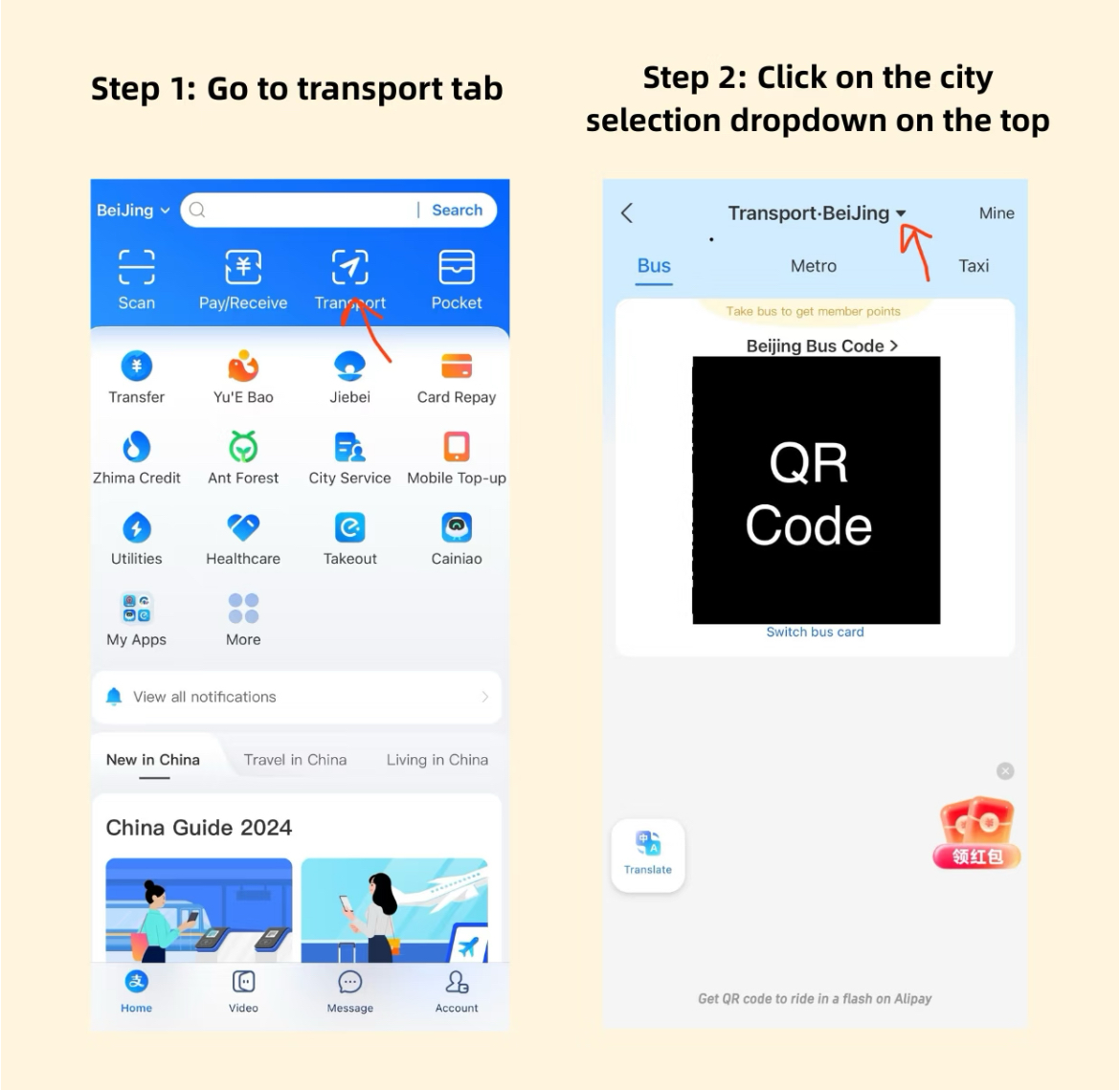
Step 1: Open Alipay app and select the "transport" feature.
For Alipay download and installation instructions, please refer to the Alipay in the pre-app section.
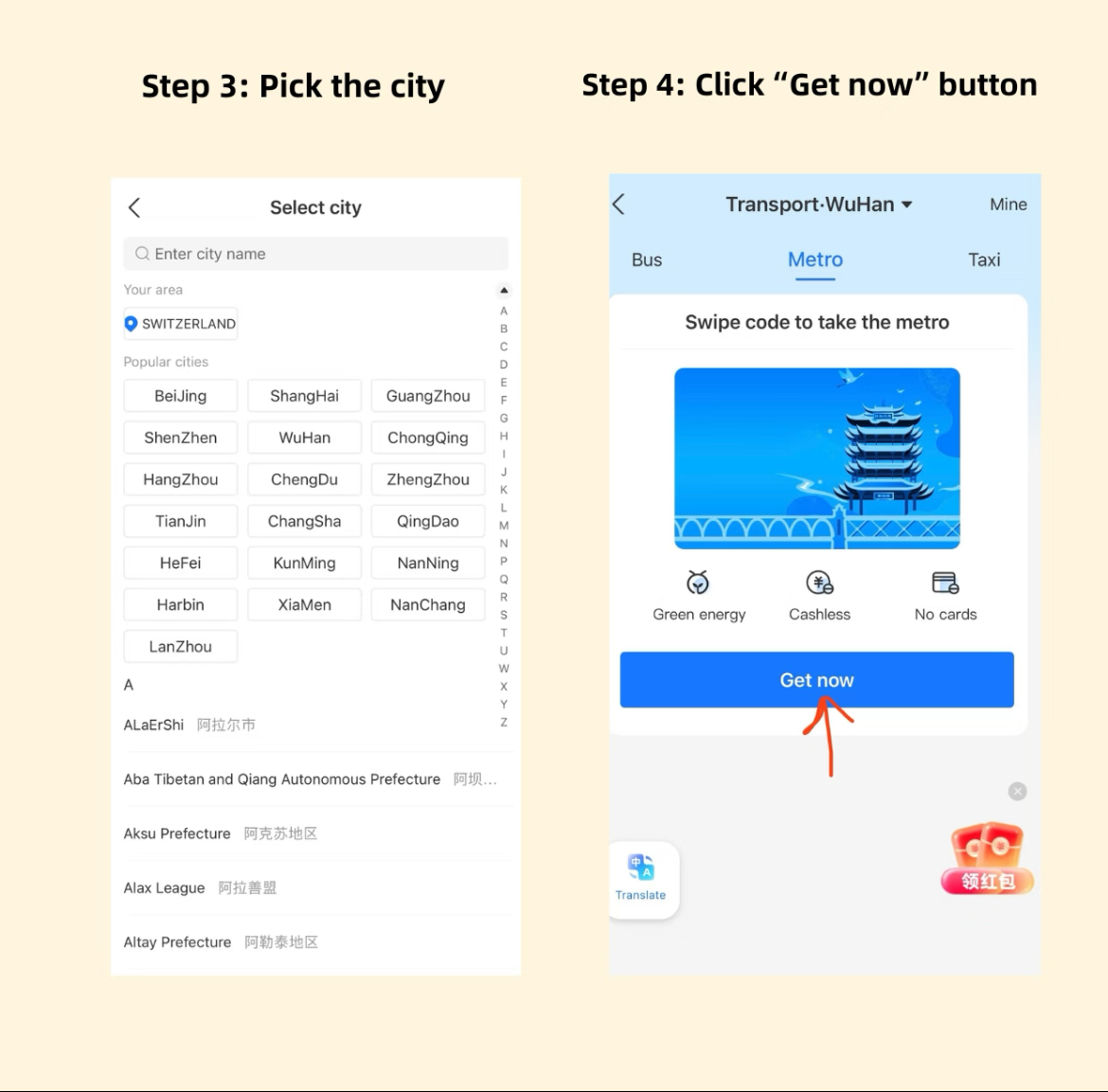
Step 2: Select your city and get metro code.

Step 3: Show the QR code when you take the subway.
This can also be used for bus rides in some cities.
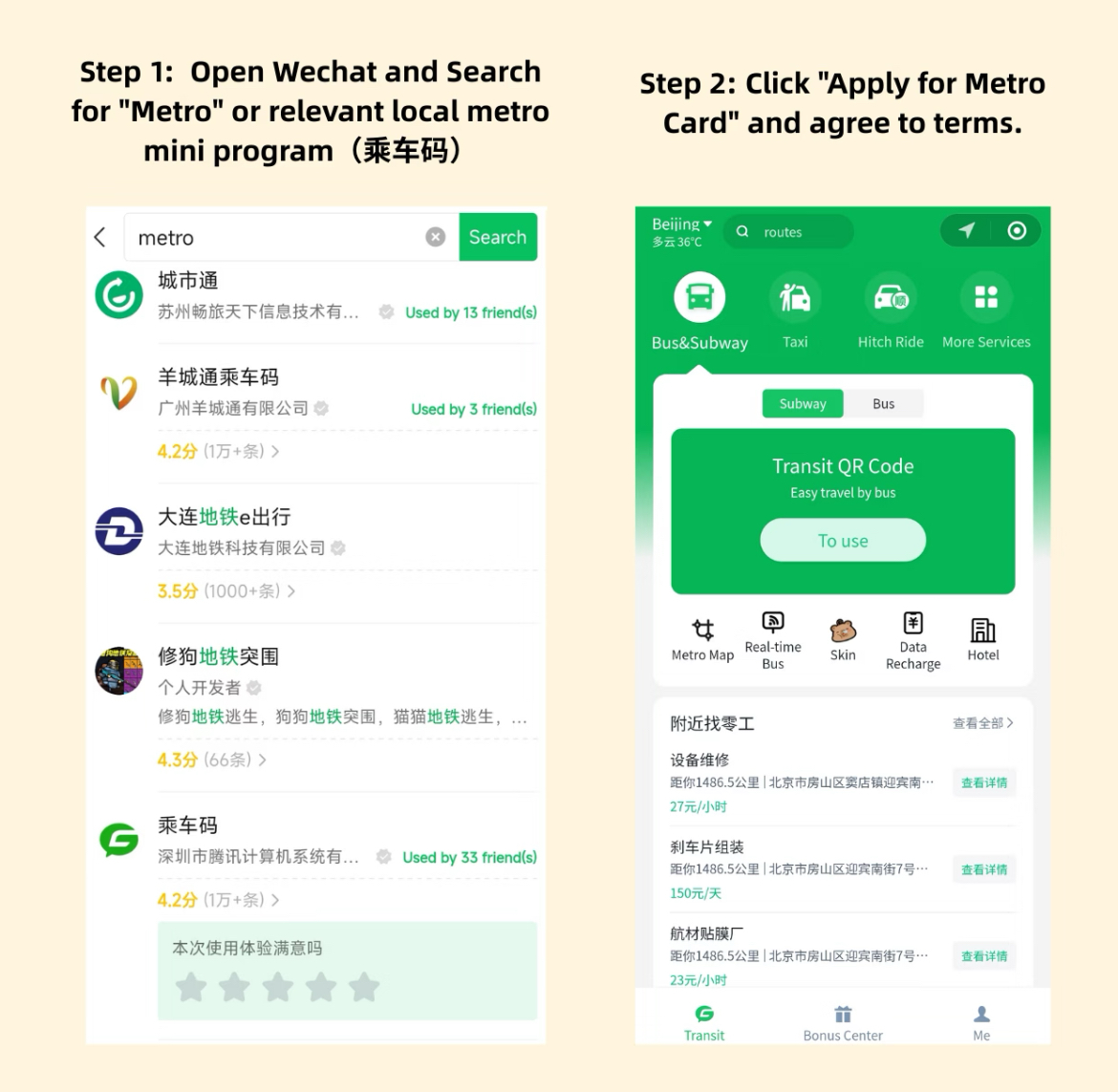
Step 1: Open WeChat app and search for metro card.
For WeChat download and installation instructions, please refer to the WeChat in the pre-app section.
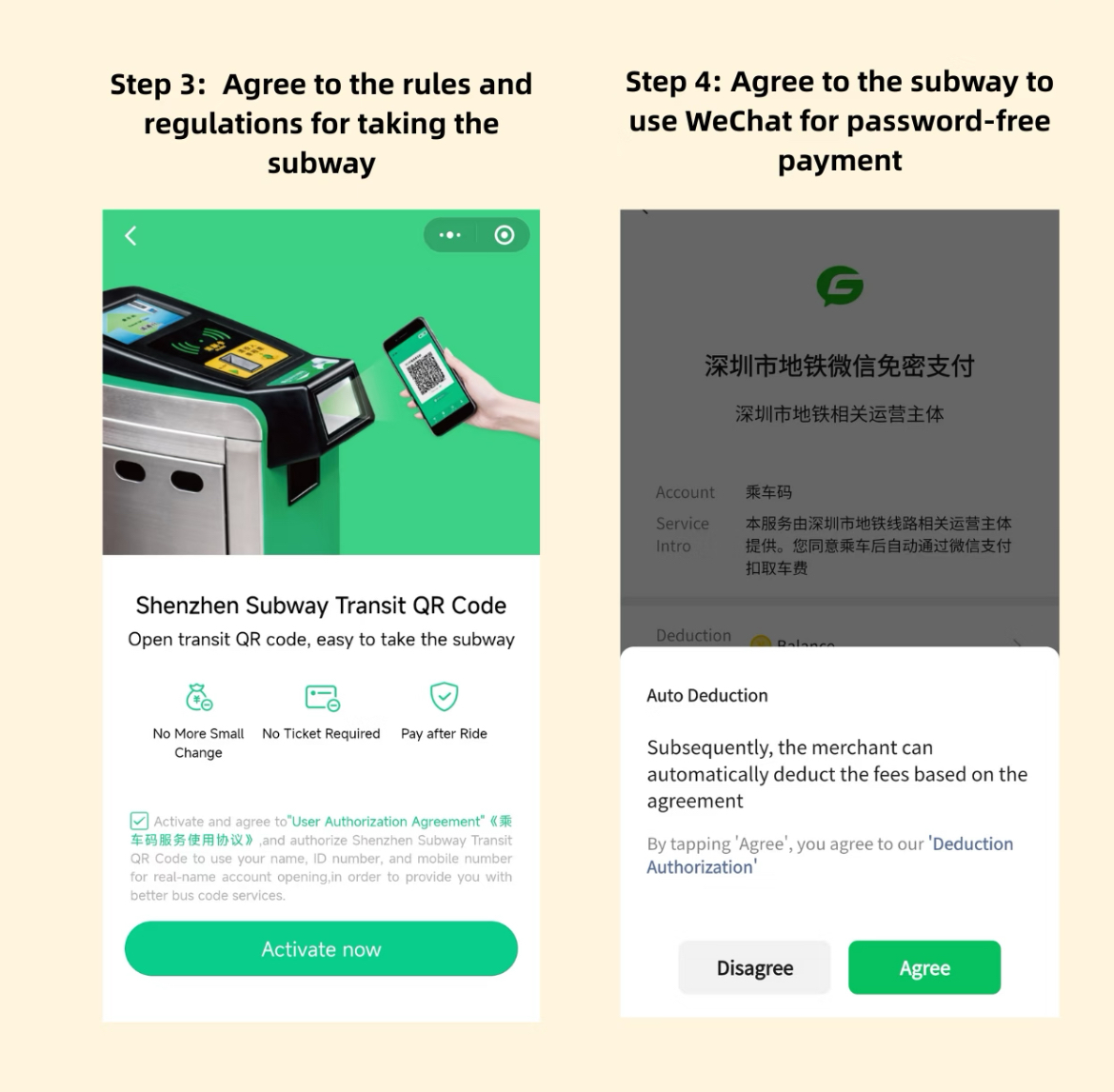
Step 2: Agree to the terms and conditions.
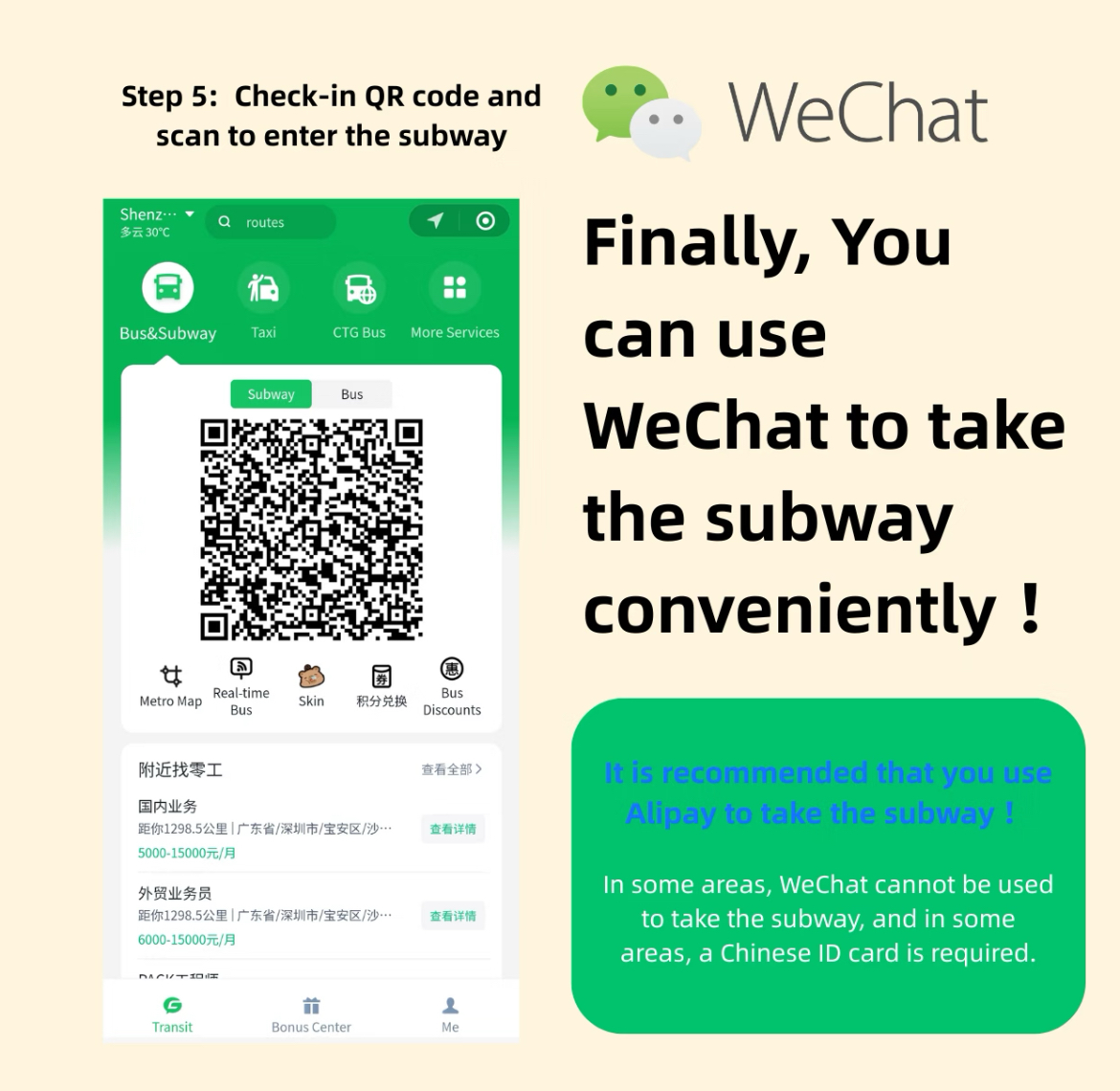
Step 3: Show the QR code when you take the subway.
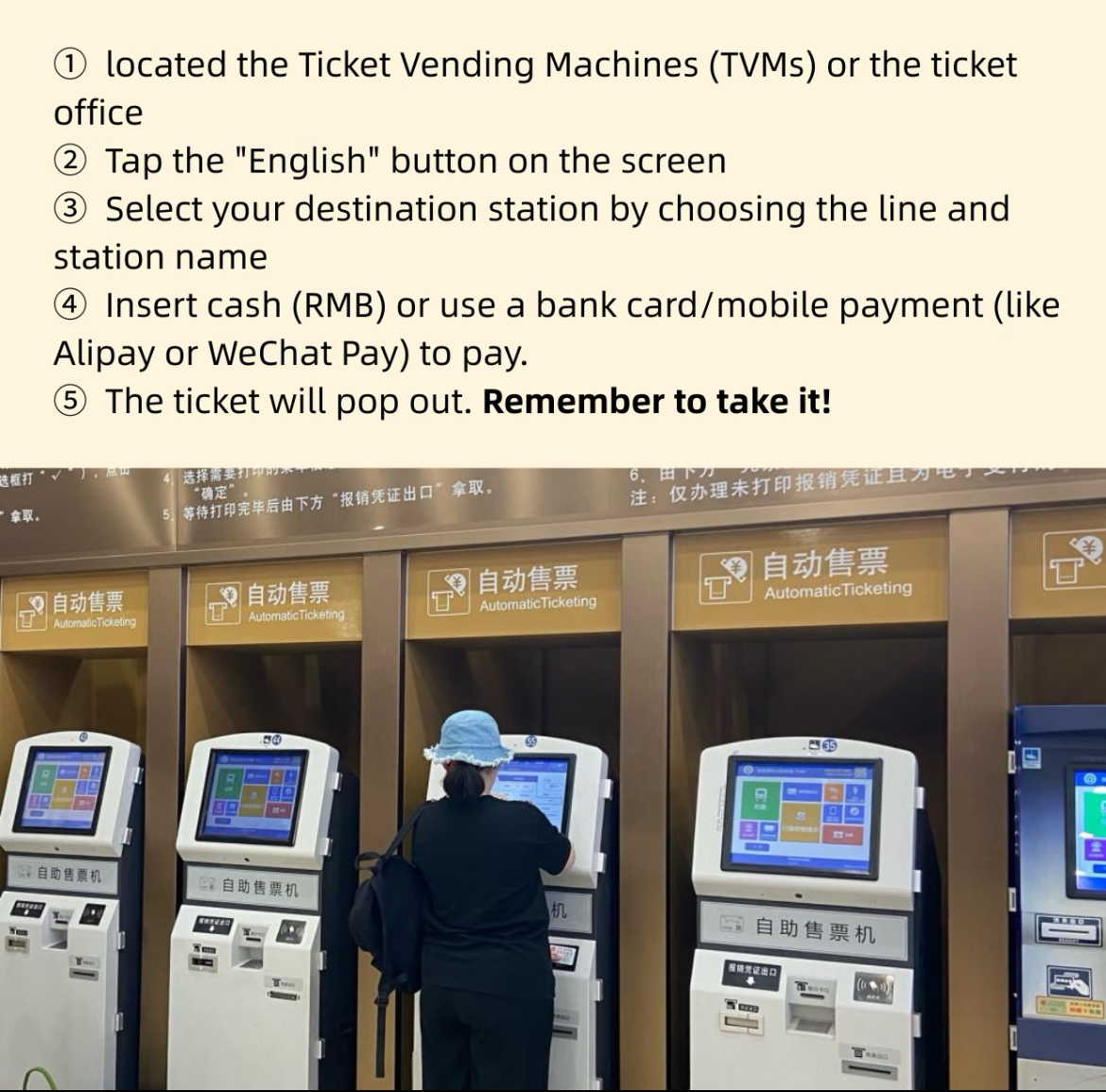
Step 1: Locate the ticket vending machine at the subway station
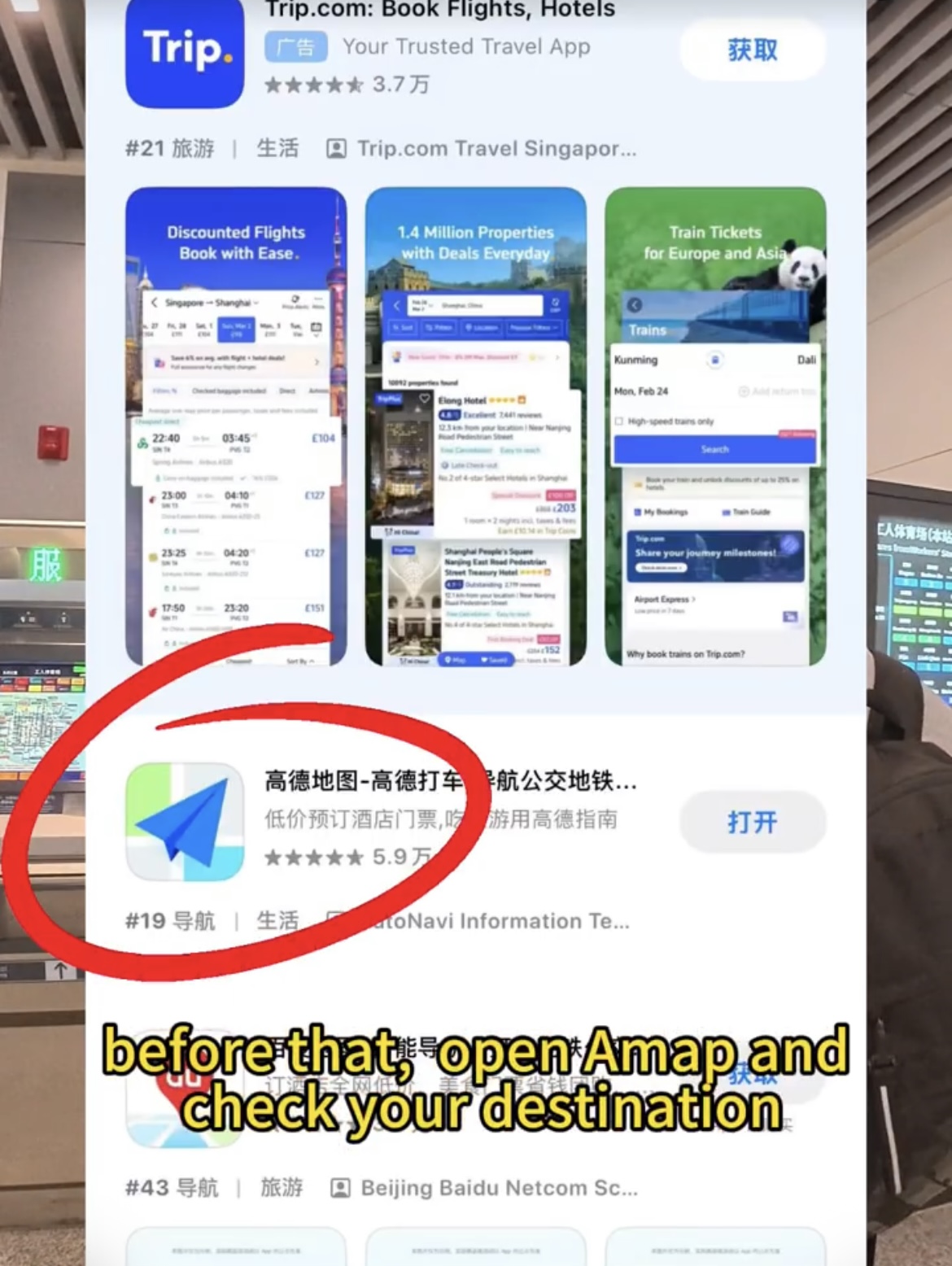
Step 2: Use Amap to check your destination
For Amap download and installation instructions, please refer to the Amap/Baidu maps in the pre-app section.
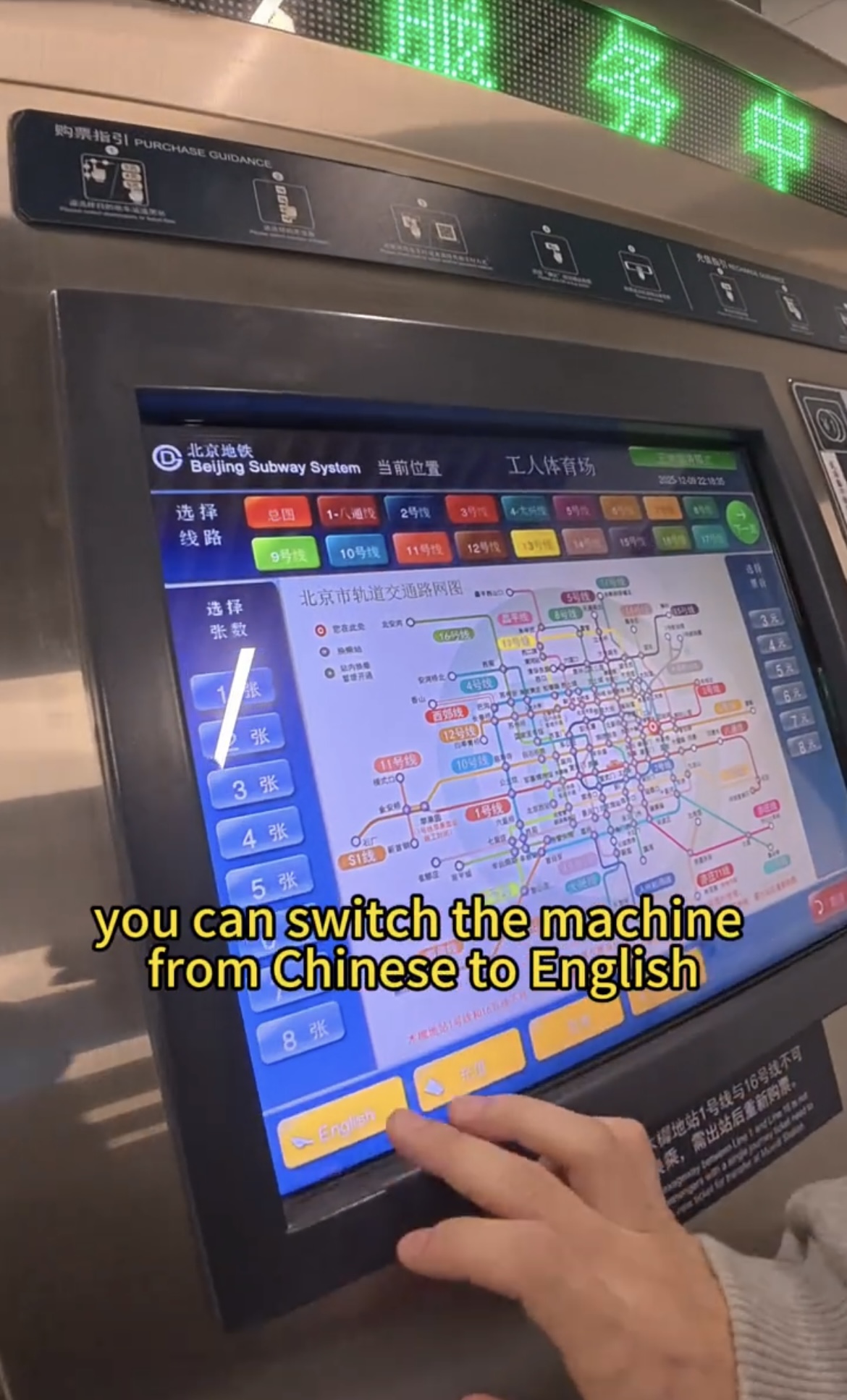
Step 3: Switch language to English
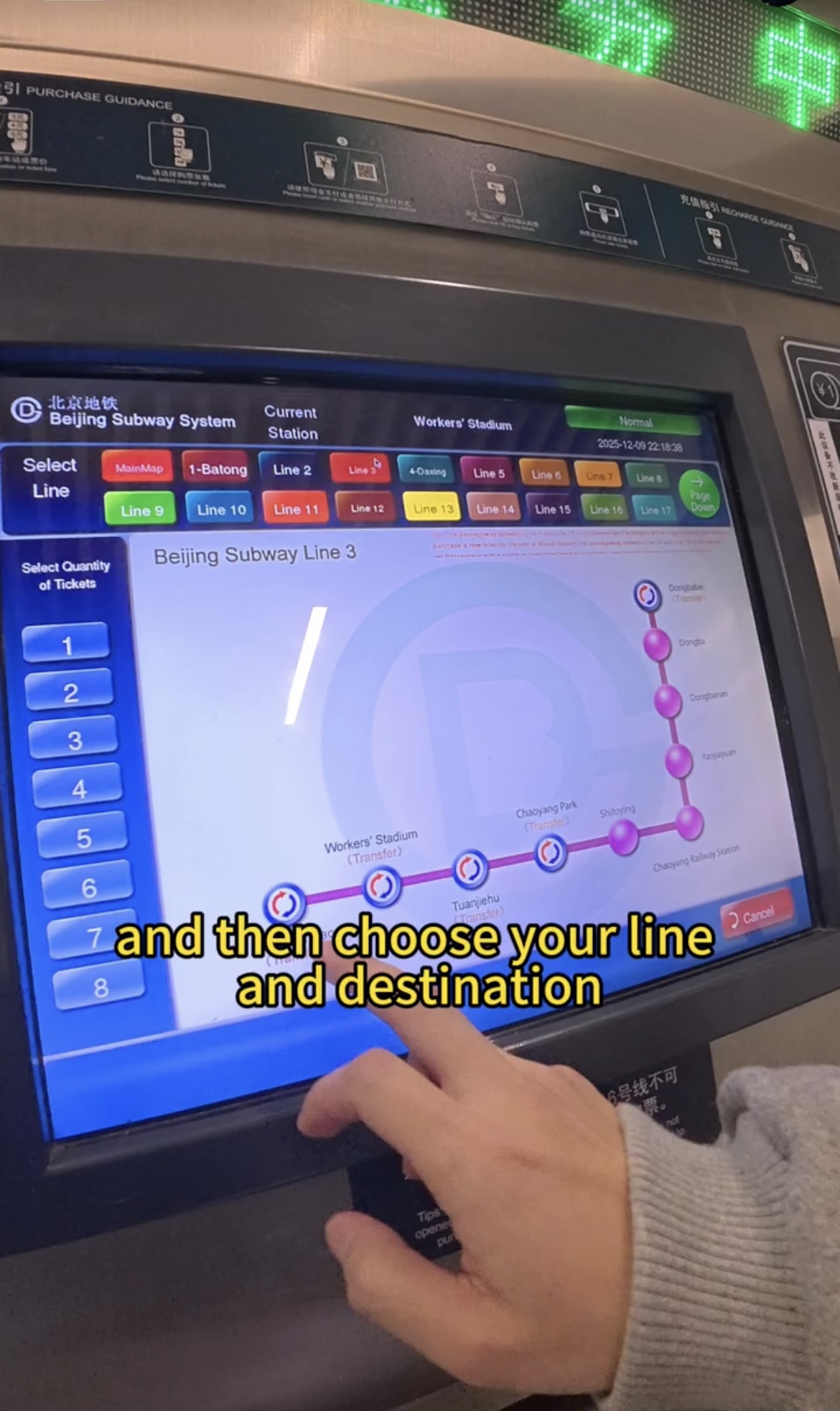
Step 4: Choose your line and destination
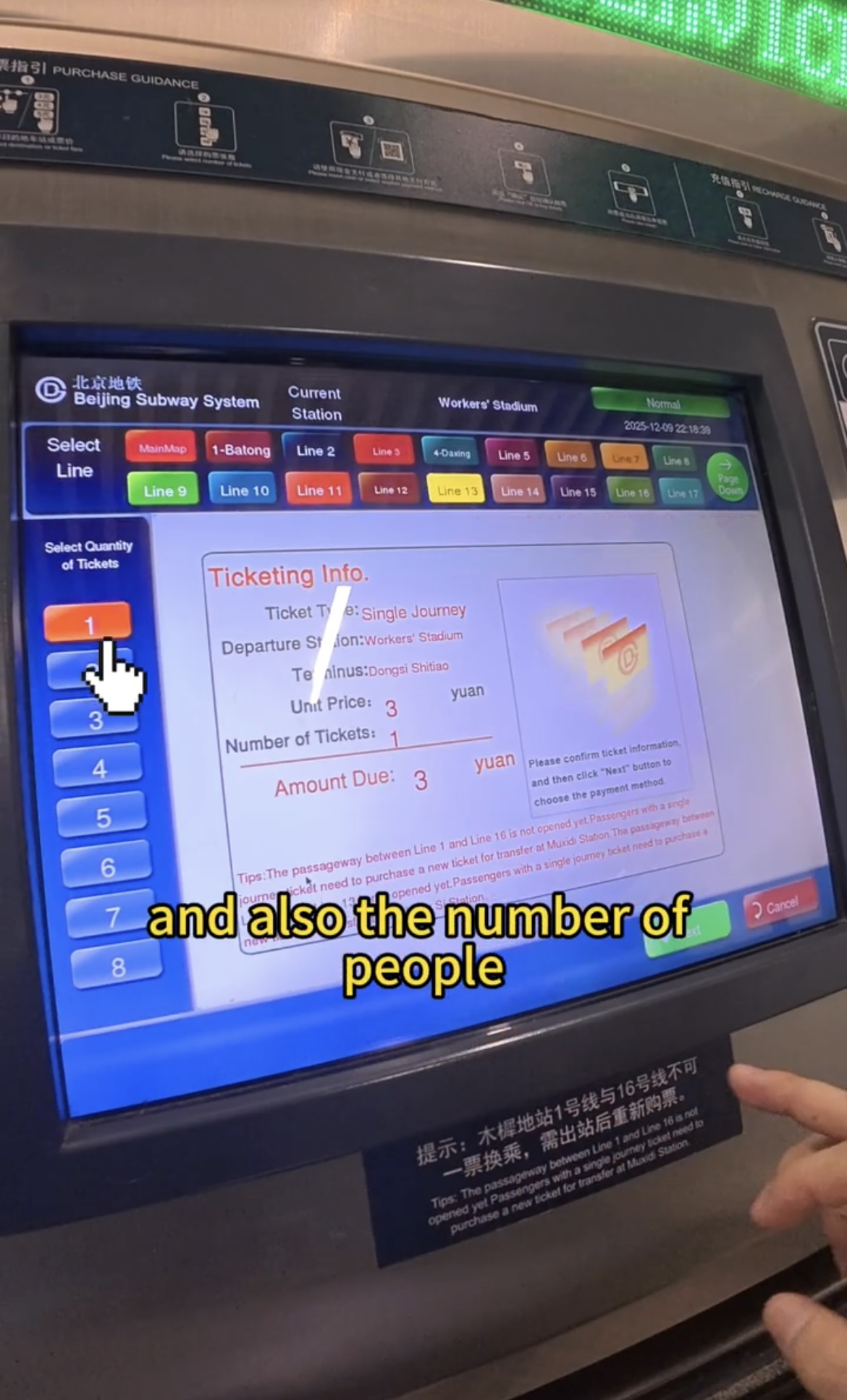
Step 5: Choose the number of tickets you need
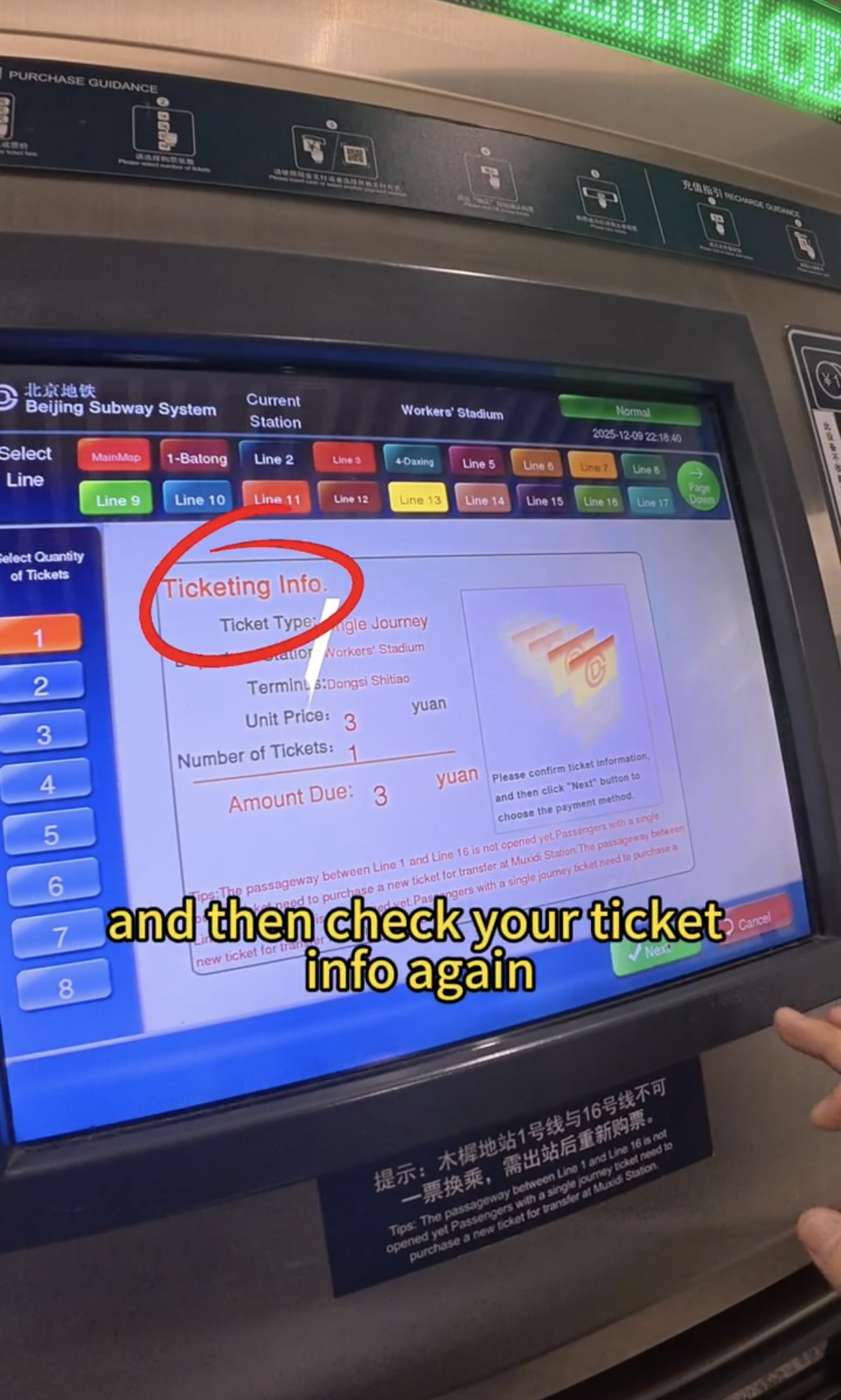
Step 6: Confirm your purchase
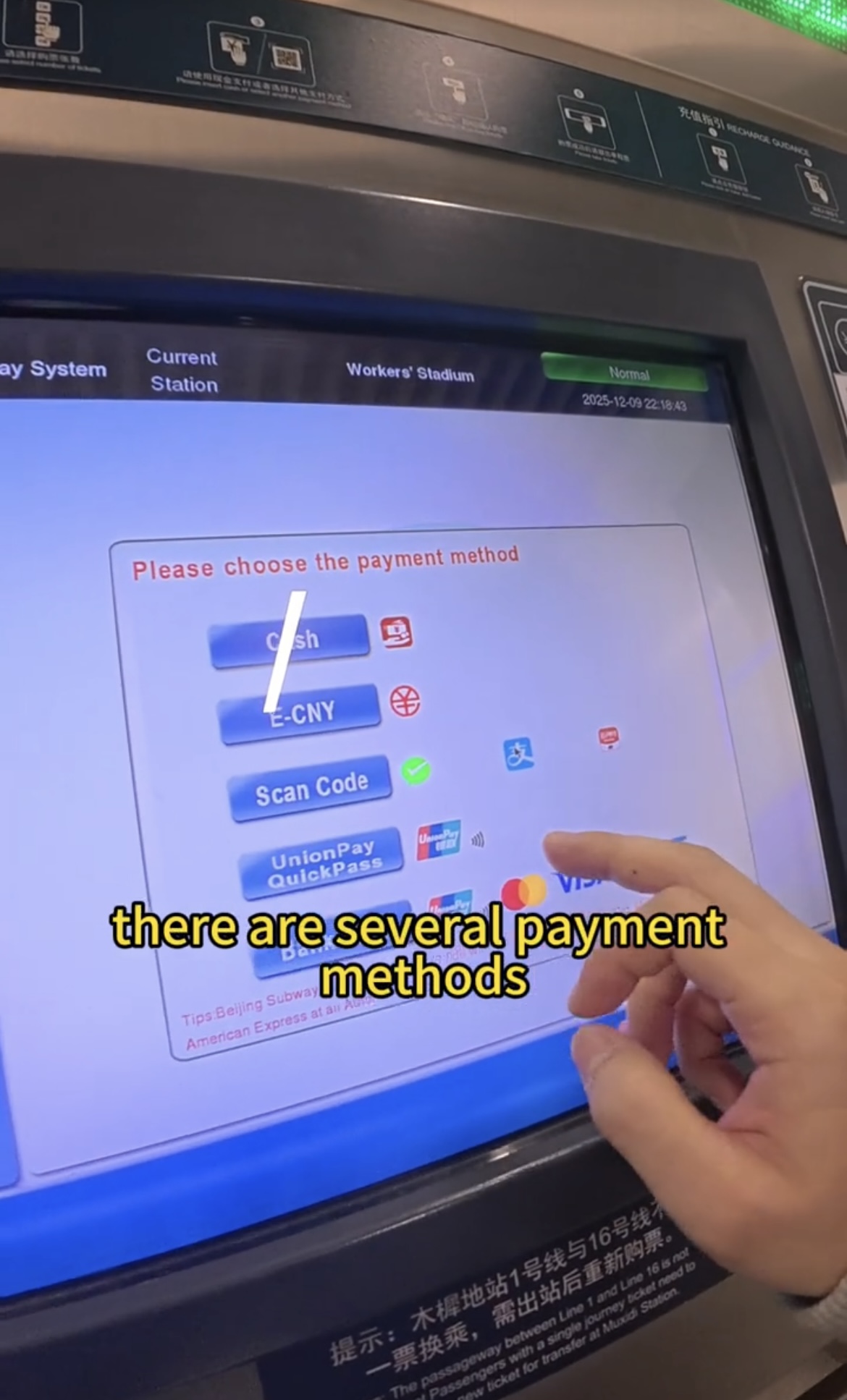
Step 7: Choose your payment method
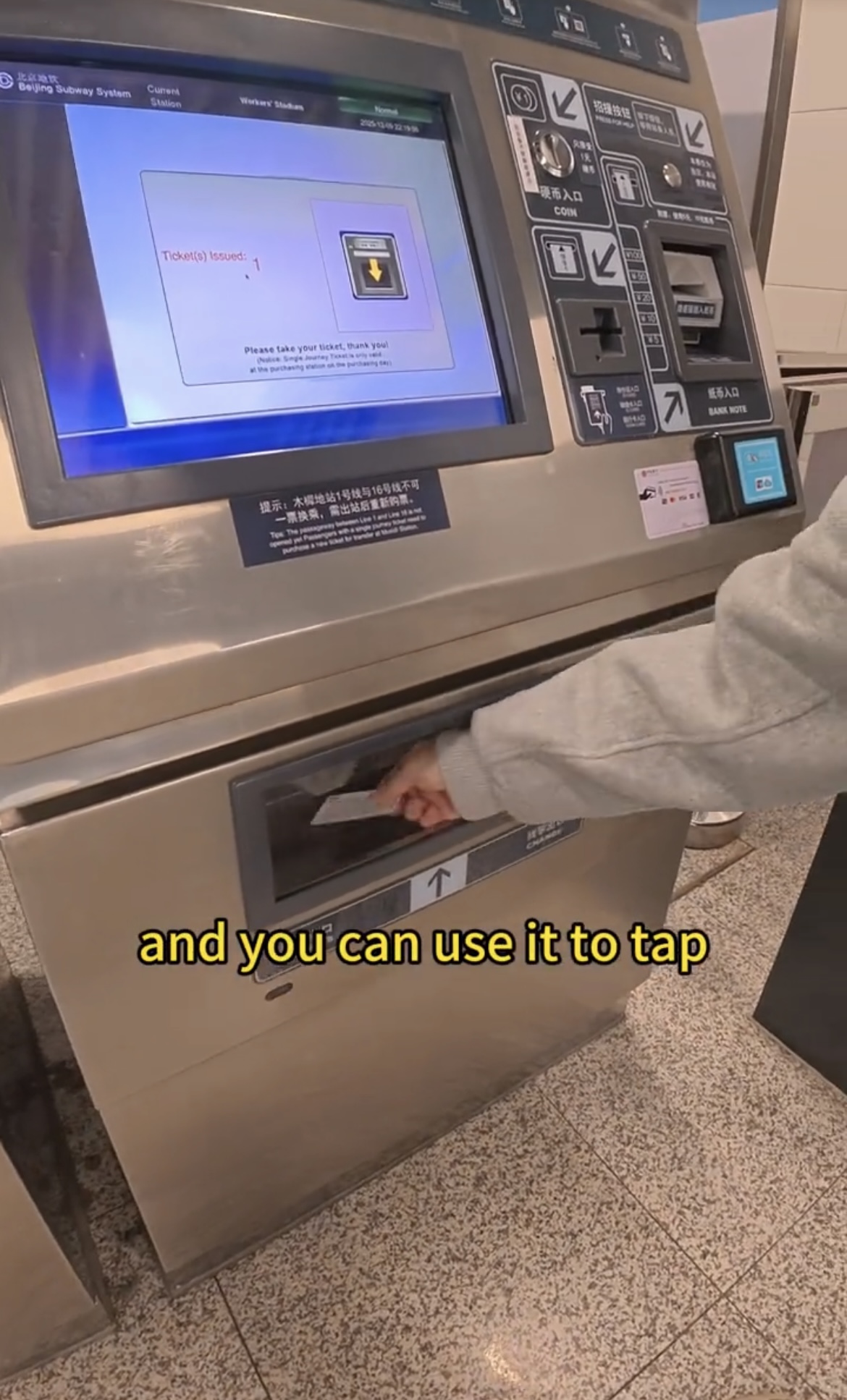
Step 8: Get your ticket from the machine
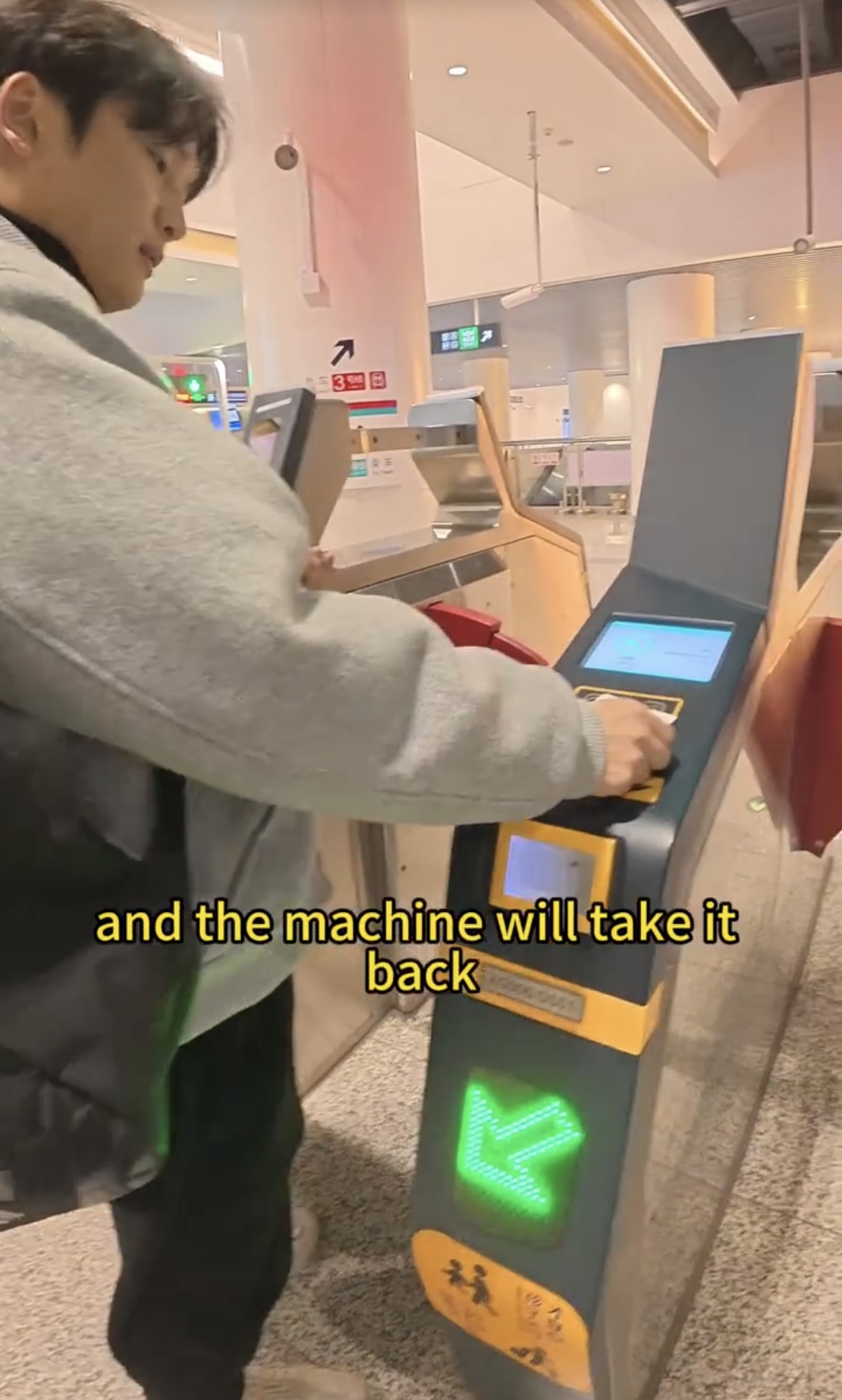
Step 9: Use your ticket to enter
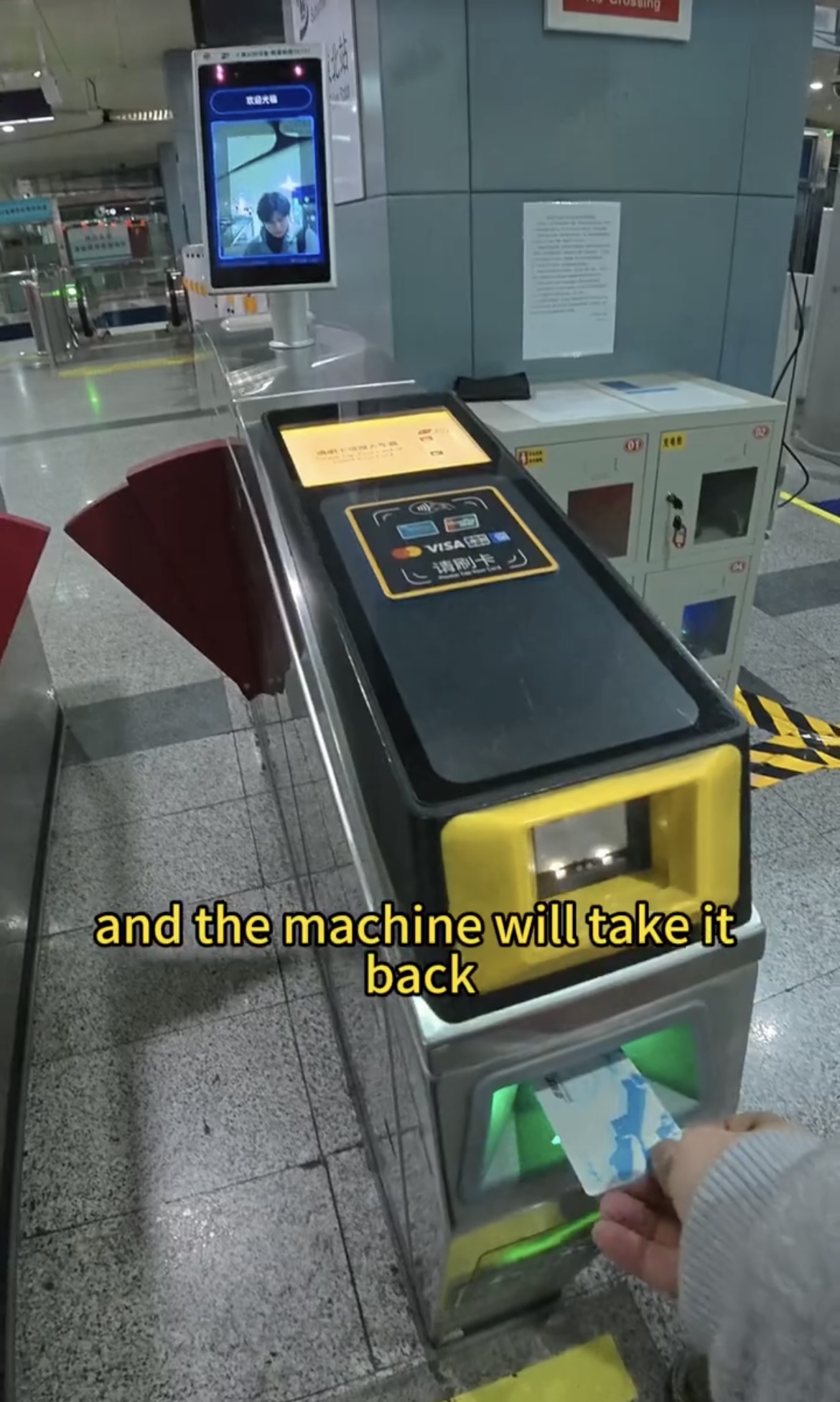
Step 10: Insert your ticket after finishing your trip
Need subway maps for other cities? Let us know!
If you need subway maps for other cities in China, please click here to tell us.
One of the oldest and busiest subway systems in China, with over 20 lines covering the entire city.
Key Lines: Line 1 (east-west), Line 2 (loop line), Line 4 (north-south)
The longest subway system in the world, with extensive coverage of Shanghai and its suburbs.
Key Lines: Line 2 (airport line), Line 10 (tourist areas)
Modern system connecting Xi'an's historical sites with residential areas.
Key Lines: Line 2 (city center to North Station), Line 4 (connects historical sites)
Expanding system serving China's tech hub in Sichuan province.
Key Lines: Line 1 (south-north), Line 2 (east-west)
Modern system serving the capital of Zhejiang province, near Shanghai.
Official Website and Map (Only Chinese)
Key Lines: Line 1 (city center to Xiaoshan Airport), Line 2 (connects major areas)
Extensive system serving the capital of Guangdong province, with connections to Hong Kong.
Key Lines: Line 3 (connects to Zhujiang New Town), Line 5 (connects to Pazhou Exhibition Center)
Shared bikes have become a popular and convenient transportation option in many Chinese cities, especially for short distances. They are easy to use and relatively inexpensive, making them a great choice for exploring urban areas.
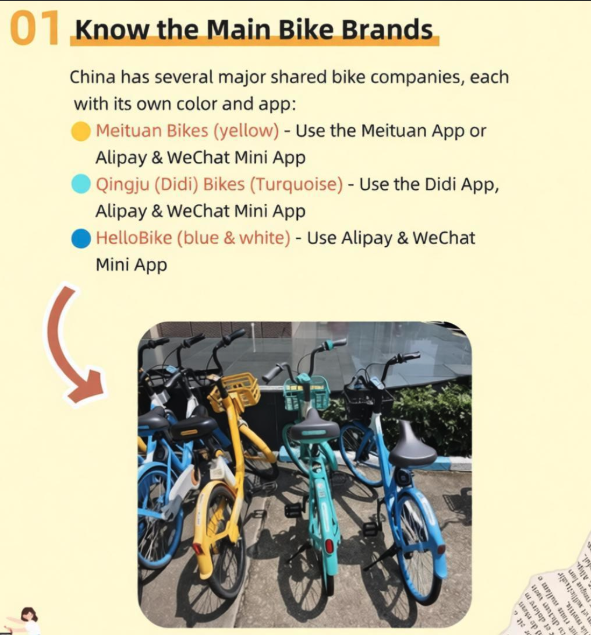
Step 1: Use Wechat mini-program / Alipay to open or download a bike-sharing app like Mobike or Hellobike
For Wechat / Alipay download and installation instructions, please refer to the Wechat / Alipay in the pre-app section.
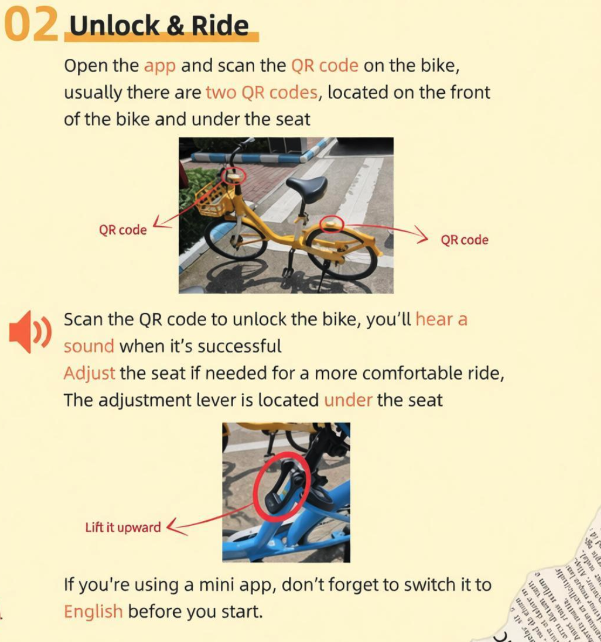
Step 2: Register and verify your account with a local phone number
If you require a Chinese phone number. Click here for instructions on how to obtain one.
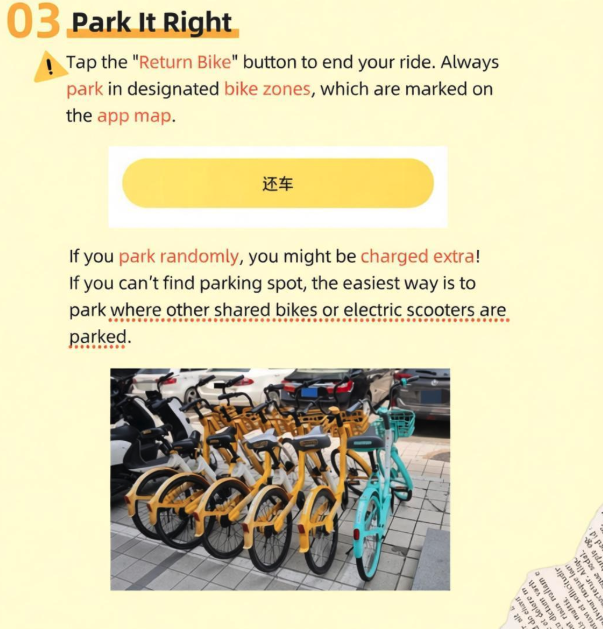
Step 3: Park the bike in designated areas and lock it when finished
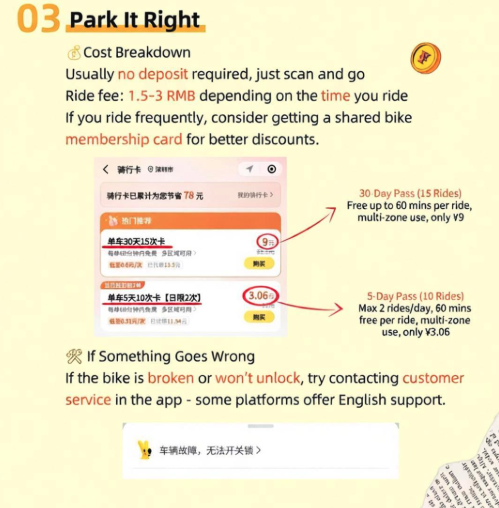
Step 4: Pay for the ride
Another popular bike-sharing app with a wide network of bikes in urban areas.
Features: Low rates, easy-to-use interface, available in many cities
Discover our comprehensive travel guides for Beijing
Complete guide to Alipay, WeChat Pay, and other payment methods for foreign travelers visiting China.

Essential guide for foreign visitors to Yonghegong Lama Temple - dress code, incense rituals, prayer etiquette, and cultural tips.

Why Jensen Huang's Painful Face Made This Heritage Drink Go Viral
Share your transportation experiences with others and get tips from the community.
Loading posts...
No community posts yet.