Quick Guide
Introduction
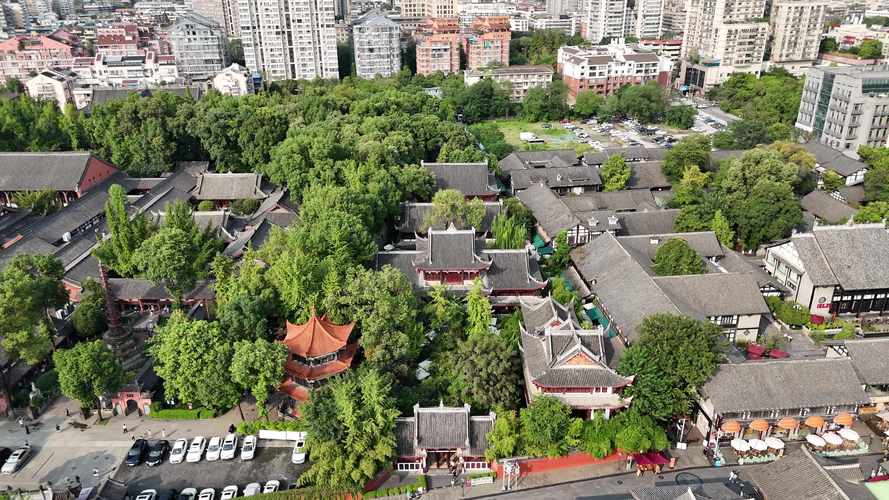
Wenshu Monastery (文殊院) is the rare Chengdu attraction that asks you to slow down rather than tick it off. It is not a museum set behind glass, but a working Buddhist monastery: monks sweep the courtyards, volunteers pour tea, and the smell of incense mixes with the smell of mushrooms and noodles from the vegetarian kitchen next door.
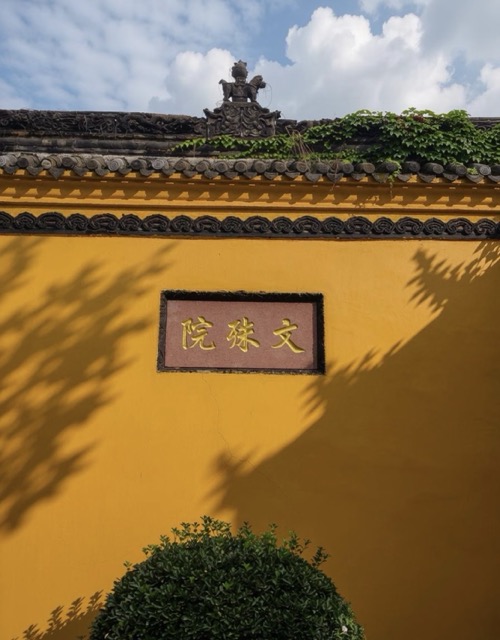
Founded in the Sui dynasty and rebuilt in the early 1700s, the monastery sits in the middle of the city, a few minutes from Metro Line 1. Entry is free. You can come for an hour of prayer, stay for a 30-yuan vegetarian buffet, then spend the afternoon copying a sutra with a brush while the city honks somewhere beyond the yellow walls.
This guide follows the order visitors actually use: how to offer incense and which halls to visit, where to eat, and how to end the day with ink and tea. It is written for travellers who want to participate respectfully, not just photograph the roofs.
The one-minute version
Take three free sticks of incense at the volunteer desk, bow in the order of the halls, offer a 15-yuan lamp if you want one, walk three or seven times around the pagoda, eat at 香园, then copy a sutra and drink tea until the light changes. That is the whole visit.
1. How to Pray at Wenshu Monastery
You do not need a guide, a ticket or a ceremony. The sequence below is the one regulars use, and it works whether you are Buddhist, curious, or simply looking for a quiet hour.
Step 1: Take the free incense
Just inside the gate, volunteers on both the left and right sides hand out incense at no charge, usually three sticks per person. Take them with both hands, light them from the central lamp rather than from another visitor's bundle, and hold them at chest height. You do not need to buy incense from the sellers outside — the free sticks are the proper ones.
Step 2: Visit the halls in order
At each hall, bow three times. When you make a wish, say your name, where you come from and what you are asking for — quietly, in your own words. It does not need to be elaborate. The monastery is busy; keep your voice low and let other people pray in peace.
天王殿 · Hall of Heavenly Kings
The first hall inside the gate. Pray for safety, smooth journeys and a calm year.
三大士殿 · Three Great Bodhisattvas
The core hall for studies and career. Students and job-seekers often stop here longest.
文殊菩萨 · Manjushri
The bodhisattva of wisdom. Pray for clear thinking, exams and a sharp mind.
观音菩萨 · Guanyin
The bodhisattva of compassion. Health, peace, family harmony and marriage.
普贤菩萨 · Samantabhadra
The bodhisattva of practice and action. Pray for follow-through, not just good intentions.
大雄宝殿 · Mahavira Hall
The main hall. Pray for peace and stability. Outside, touch the 福 character on the iron gate with both hands, from bottom to top — "bring the fortune home".
说法堂 · 藏经楼 · 文殊阁
Finish the circuit with these three quiet halls. A simple, sincere bow is enough; no special formula is required.
Step 3: Offer a butter lamp
Offering a lamp is one of Wenshu Monastery's signature practices. Go to the 请灯处 (lamp counter), choose a small butter lamp — usually around 15 yuan — and write your wish on the card provided. Light it at the designated platform, then hang the prayer plaque where the volunteers indicate. The lamp is not a transaction; it is a way of leaving your intention somewhere visible.
Step 4: Walk around the pagoda
End with the 千佛和平塔 (Thousand Buddha Peace Pagoda). Walk clockwise three or seven times, keeping the tower on your right, and repeat your wish silently as you go. Three is the common minimum; seven is for those with more patience. Do not cut across the circle or walk against the flow — the rhythm is part of the practice.
If you arrive during a festival, expect queues and more incense smoke. Weekday mornings are calmer, and the hour before closing is often the quietest of all.
The Etiquette That Matters
Nothing here is strict, but a few habits show respect and make the visit easier for everyone:
- Wear comfortable, modest clothing. Remove hats inside the halls.
- Do not point at statues or monks; keep your hands relaxed and your voice low.
- Do not photograph people while they are praying, and follow any "no photos" signs inside halls.
- Do not step over the thresholds; walk around them, as visitors have done for centuries.
- If a hall is crowded, bow once and move on rather than holding the line.
- Keep mobile phones silent. If you must take a call, step outside the hall.
2. Eat Vegetarian at 香园
The monastery's vegetarian kitchen, 香园 (Xiangyuan, "Fragrant Garden"), is a destination in its own right. It serves both a buffet and set meals, and the food is good enough that locals come for lunch even when they are not visiting the temple.
素食自助餐 · Buffet
Roughly 30–35 yuan per person. Hot dishes, cold dishes, rice and noodles, soup and fruit, all you can eat.
Many visitors report a 5-yuan refund if they finish everything — the monastery's gentle version of the "clean plate" campaign (光盘行动).
单点套餐 · Set meals
If you are not hungry enough for the buffet, order a set meal. The signature options include 菇菇饭 (mushroom rice) and 茶泡饭 (rice soaked in tea).
Good for a lighter lunch, and easier to combine with tea afterwards.
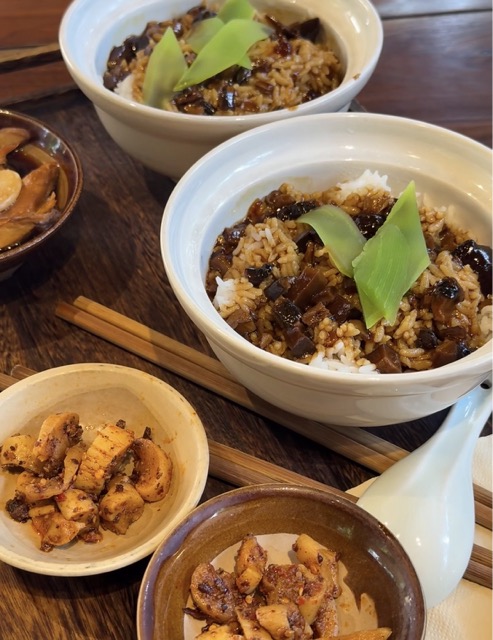
"The mushroom rice is rich and saucy — very good with rice. The side dishes and braised bites are solid too. It is a healthy, honest meal."
The buffet menu rotates, but regular favourites include stir-fried mushrooms, steamed "vegetarian meat" (粉蒸素肉), lotus-root soup and cold buckwheat noodles. The snack menu is worth a look as well: aubergine "pizza" with a spicy-sweet topping, vegetarian maocai (素冒菜) and hot-and-sour noodles.
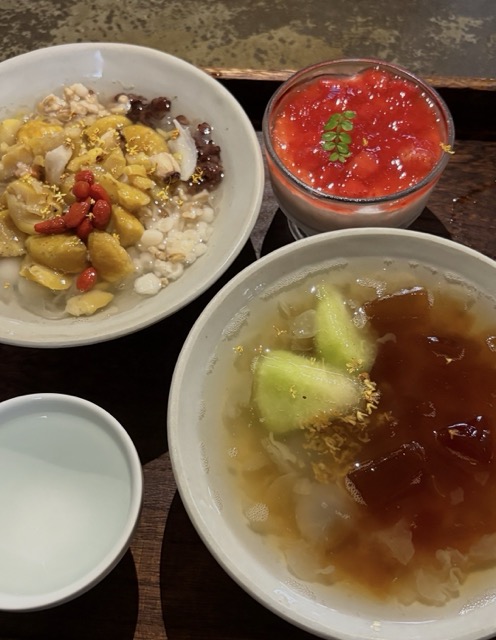
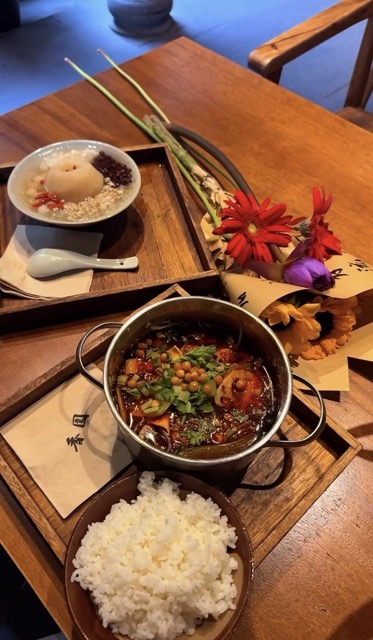
Arrive before noon if you want the buffet at its calmest; the 11:30–13:00 window is the busiest. Payment is by mobile phone, as almost everywhere in Chengdu. If you are vegan, ask about egg and dairy before you take the buffet — most dishes are plant-based, but not all.
3. Copy a Sutra and Drink Tea
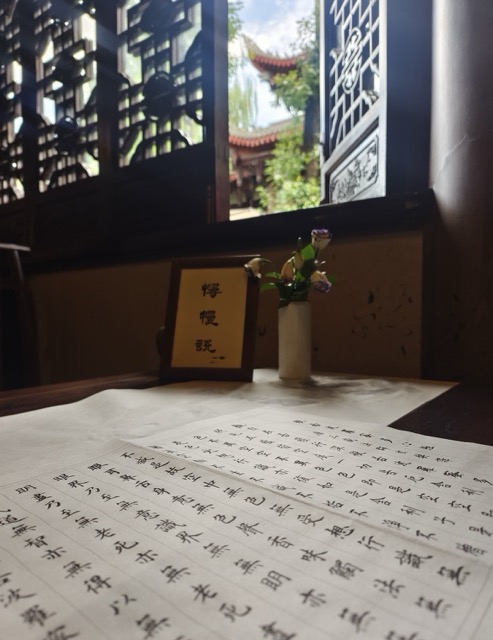
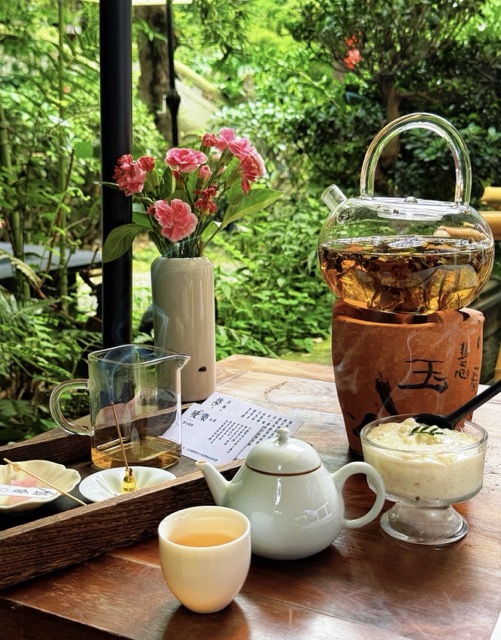
The third part of a Wenshu day is the quietest. In the 香园 complex you will find a tea courtyard and a sutra-copying room — two ways of doing the same thing, which is nothing at all, slowly.
Sutra copying
The room provides a brush, ink and a printed text, often a short sutra such as the Heart Sutra. You do not need to be Buddhist, and you do not need to finish. Sit upright, plant both feet on the floor, hold the brush the way the staff show you, and copy one character at a time. The point is not beautiful handwriting; it is the fact that your attention has nowhere else to go.
Silence your phone before you sit down. Keep conversation to a whisper, and do not photograph other people's pages. If you finish, leave the sheet where indicated; if you do not, simply stop and bow. A small donation may be invited, but there is no obligation.
Tea in the courtyard
The tea side is less formal. Order a covered-bowl tea (盖碗茶) or a glass pot of flower tea, take a seat under the trees, and let the refills keep coming. The courtyard has the easy rhythm of a Chengdu teahouse: people reading, chatting quietly, feeding no one in particular, and doing their best to forget the clock.
Weekday afternoons are the sweet spot. On weekends, come early or come late; the middle of the day belongs to lunch crowds and tour groups. If it rains, the courtyard empties and the monastery becomes even better.
Practical Information
Where
Wenshu Monastery (文殊院), central Chengdu, inside the 文殊坊 pedestrian area.
Getting there
Metro Line 1 to Wenshu Monastery Station (文殊院站), then walk a few minutes following the signs.
Hours and cost
Roughly 8 am to 5 pm; entry is free. The 香园 dining and tea area may stay open later.
Time to allow
Two to three hours for prayer, lunch, tea and a sutra. Half a day if you linger.
Combine the visit with 文殊坊 for snacks and souvenirs, or walk 20 minutes to People's Park for the marriage corner and a teahouse. The monastery is also an easy stop between Tianfu Square and the city's northern old streets.
Frequently Asked Questions
Is Wenshu Monastery free to enter?
Yes. There is no entrance fee, and incense is offered free at the volunteer desks inside the gate — usually three sticks per person. You do not need to buy incense outside.
How do I get there by metro?
Take Metro Line 1 to Wenshu Monastery Station (文殊院站) and follow the signs. The monastery is a short walk away, inside the 文殊坊 area.
What is the correct order of halls?
Start at 天王殿, then 三大士殿, 文殊菩萨, 观音菩萨, 普贤菩萨, 大雄宝殿, and finish with 说法堂, 藏经楼 and 文殊阁. Bow three times at each hall and state your name, origin and wish quietly.
How much is a butter lamp?
Around 15 yuan at the 请灯处. You write a wish card, light the lamp at the platform and hang the prayer plaque. Prices can change, so confirm on site.
How many times should I walk around the pagoda?
Three or seven clockwise circuits are customary. Keep the 千佛和平塔 on your right and repeat your wish silently as you walk.
Is the vegetarian buffet worth it?
Yes. It costs roughly 30–35 yuan and includes hot dishes, cold dishes, staples and fruit. Many visitors report a 5-yuan refund if they finish everything, part of the clean-plate campaign.
Do I need to be Buddhist to copy a sutra?
No. Anyone can sit down and copy. You do not need to finish the text or know the ritual. Silence your phone, follow the staff's instructions and take your time.
Conclusion
Wenshu Monastery is not a checklist. It is a sequence: three sticks of incense, a slow walk through the halls, a lamp, seven circles around a pagoda, a plate of mushroom rice, and finally a brush in your hand. Do it in that order and the day will feel less like sightseeing and more like a deliberate pause — which is, in Chengdu, a perfectly good way to spend an afternoon.
Related Articles
Share this article:
Link copied to clipboard!
No comments yet. Be the first to share your thoughts!