
Famen Temple (法门寺)
China's most revered Buddhist temple, enshrining a genuine finger-bone relic (sarira) of the Buddha. Its 1987 underground-palace discovery yielded 2,499 Tang royal treasures — including the eight-fold reliquary and silver staff — now displayed in the on-site museum. The old temple is free to enter for worship; the relic is now enshrined inside the temple and open for public viewing only in May and October each year.
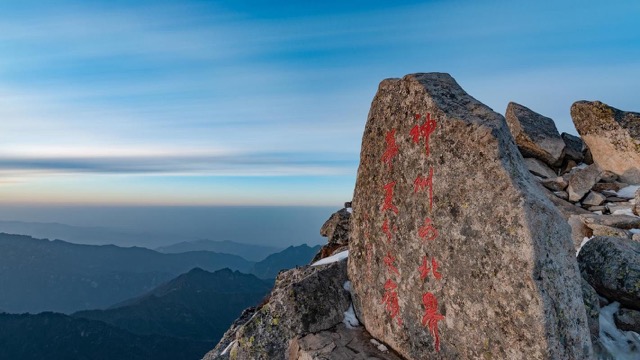
Taibai Mountain National Forest Park (太白山国家森林公园)
The main peak of the Qinling Mountains — at 3,767 m the highest summit east of the Tibetan Plateau. Alpine meadows, glacial lakes, and natural hot springs at the foot combine four seasons of scenery in a single climb.
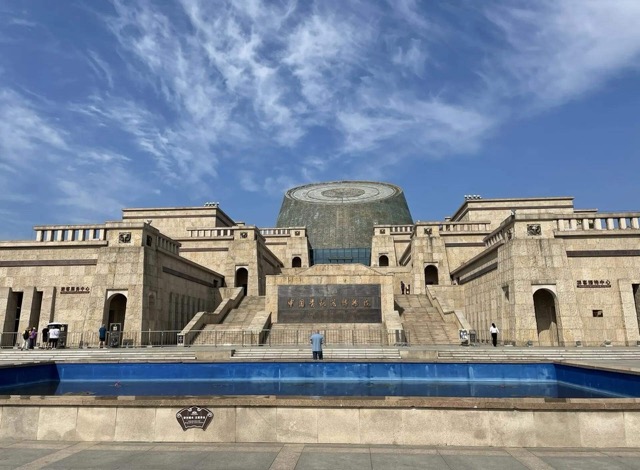
Baoji Bronze Ware Museum (宝鸡青铜器博物院)
The largest bronze-ware museum in China, chronicling the Western Zhou and Qin bronzes unearthed around Baoji — the cradle of the Zhou and Qin civilizations. Its star exhibit is the He Zun, whose inscription bears the earliest known written use of the word "Zhongguo" (China). Free entry, and an essential stop for anyone tracing the roots of Chinese ritual and statehood.
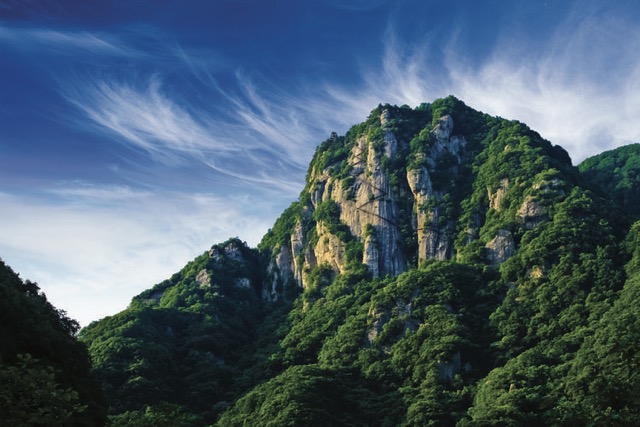
Honghe Valley Forest Park (红河谷森林公园)
A forested gorge at the northern foot of Taibai Mountain, carved by the rushing "Red River." Waterfalls, cliff-hanging trails, and old-growth forest make it a cooler, less-crowded alternative to the main peak — ideal for hiking and a summer escape, with the ridge trails connecting up to the Taibai high country.